Share information:
Peugeot 301 (1932-1936)
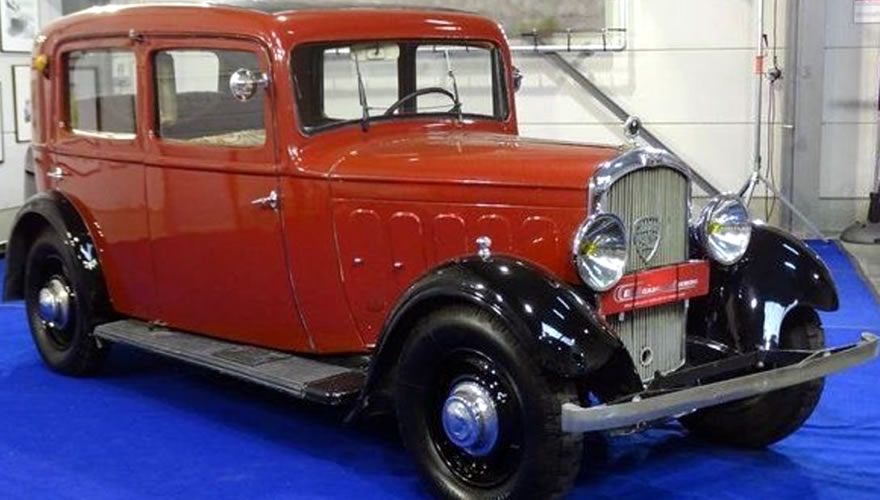
Peugeot 301 — a mid-size family car (D-segment) produced by the French automaker Peugeot from 1932 to 1936 as a replacement for the outdated Type 177. It was created on the basis of the successful "Peugeot 201", which was produced since 1929. It was one of the first production cars in the world with independent front suspension, and leaf springs at the rear, which were standard for that time. The engine was located longitudinally at the front, with rear-wheel drive, which was also standard at the time. All brakes are drum brakes with cable drive.
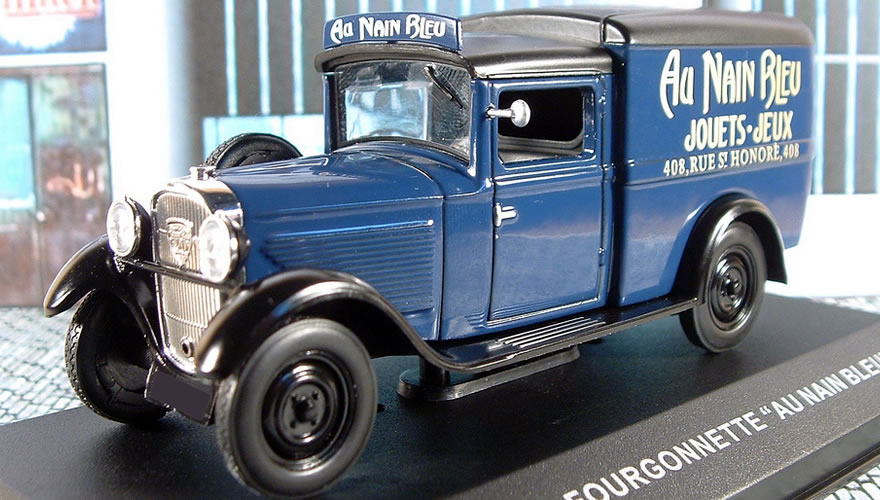
The body was produced as a four-door sedan (with six windows, three on each side), two-door convertible or coupe, as well as a three-door van (two-seater, for commercial use). The standard length with a regular wheelbase (2720 mm) was 4000 mm, the width 1440-1600 mm, and the height 1480 mm. An extended wheelbase (2940 mm) was also available, bringing the overall length of the car to 4800 mm. Over 70,000 units were produced in just four years.
The engine was a 1.5-liter (1465 cm³) four-cylinder, water-cooled petrol engine with a power output of 35 hp. The gearbox was a three-speed manual without synchronizers. Depending on the body, the car had a top speed of 80-100 km/h.
Peugeot 302 (1936-1938)
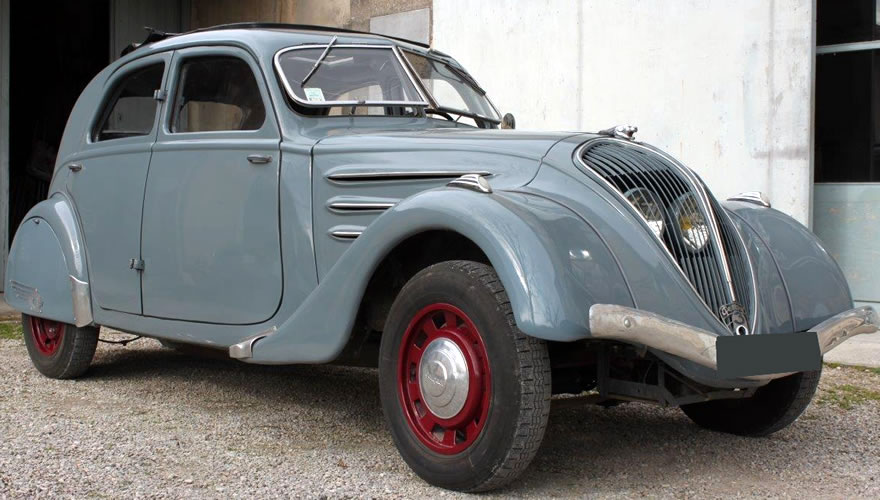
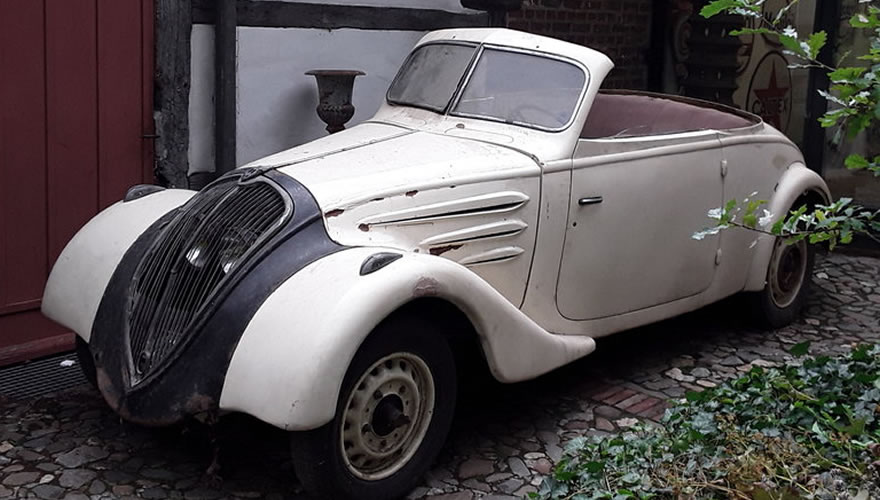
Peugeot 302 — a French compact family car (C-segment), which was produced for only 18 months from November 1936 to April 1938 due to the unstable political and economic situation in the country. It was shown to the public in October 1936. It was technically and design-wise almost identical "Peugeot 402", but with a smaller engine and a shortened body. The majority of the cars were four-door sedans, but there were also two-door convertibles and coupes, as well as a small number of roadsters and convertibles with a folding automatic steel roof. The car's length was 4,500 mm, its width 1,570 mm, and its curb weight 1,110 kg. Approximately 25,000 vehicles were produced.
The engine was located longitudinally at the front, with torque transmitted to the rear wheels via a three-speed manual transmission and a propeller shaft and differential in the rear axle. The engine was a 1.8-liter, four-cylinder gasoline engine (1758 cm³, TE) 43 hp. Carburetor fuel, water cooling. The top speed was 105 km/h. The front suspension was independent, which first appeared on "Peugeot 201" in 1931 and quickly gained popularity due to its improved road grip and better handling.
Peugeot 304 (1969-1980)
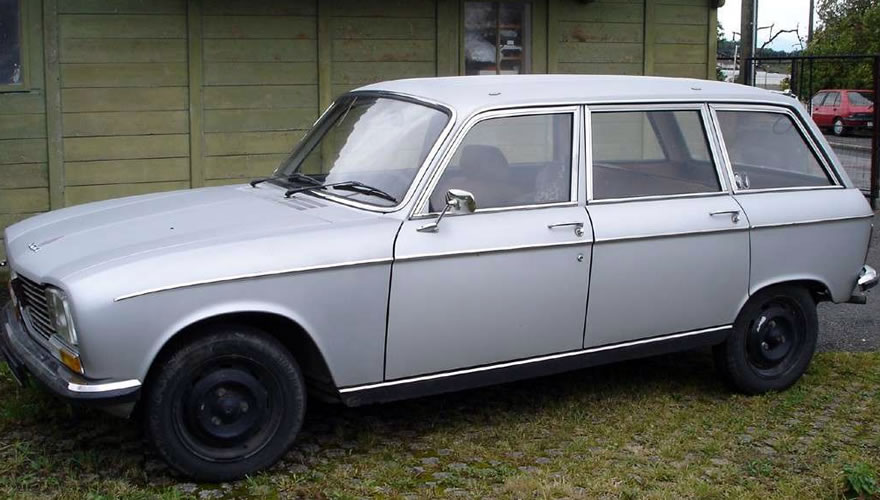
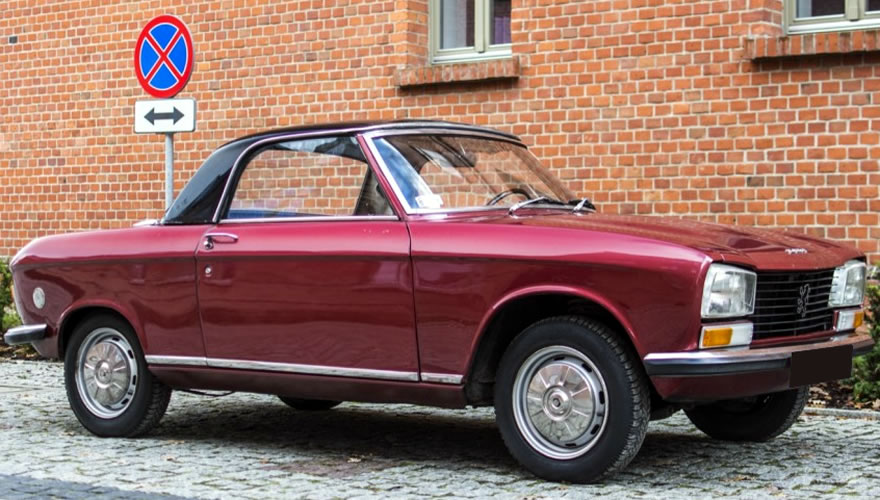
Peugeot 304 — a small family car (C-segment) of the French company "Peugeot", which was produced from 1969 to 1980. It was shown to the public at the 56th Paris Motor Show in October 1969. Based on the platform "Peugeot 204". The car's design was developed by an Italian design firm "Carrozzeria Pininfarina" and was not much different from other classes of Peugeot cars produced at that time. The most important innovation is the transition from rear-wheel drive to front-wheel drive with a transverse engine. The 304's competitors in this segment at that time were "Citroën GS" and cheaper "Renault 12". During its entire production period, the car remained almost unchanged. In total, more than 1.1 million copies were produced.
The body styles were as follows: four-door sedan (length 4140 mm, width 1570 mm, height 1410 mm), five-door station wagon (length 3990 mm, width 1570 mm, height 1430 mm), two-door coupe and convertible (length 3760 mm, width 1570 mm, height 1320 mm), as well as a three-door van (length 4010 mm, width 1570 mm, height 1430 mm). The car's curb weight was 890-970 kg. The engine was initially a 1.3-liter, four-cylinder gasoline engine (1288 cm³, SOHC), the "XL3" model produced 65 hp, and in 1975 it was modified to the "XL5", which increased torque while maintaining the same 65 hp. The engines were also equipped with a dual carburetor, increasing power to 75 hp. Since July 1976, a four-cylinder diesel engine with a volume of 1.4 liters (1357 cm³) and a power of 44 hp has become available. The transmission was a four-speed manual.
Peugeot 305 (1977-1989)
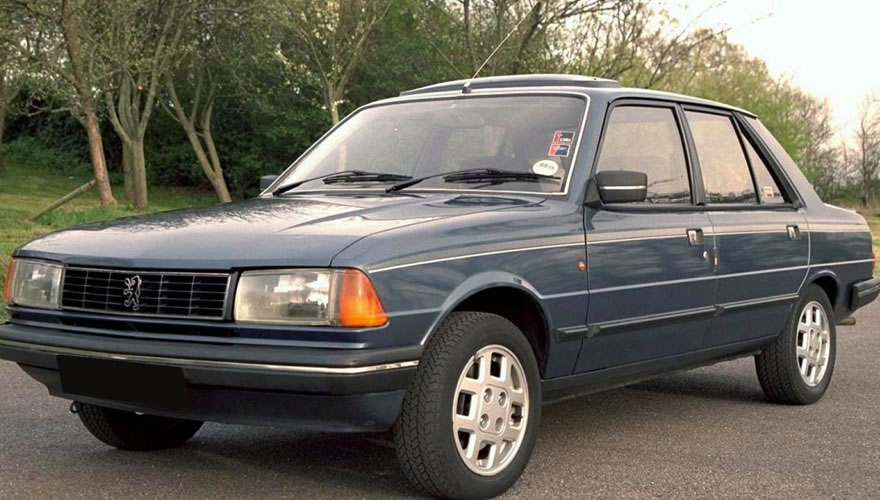
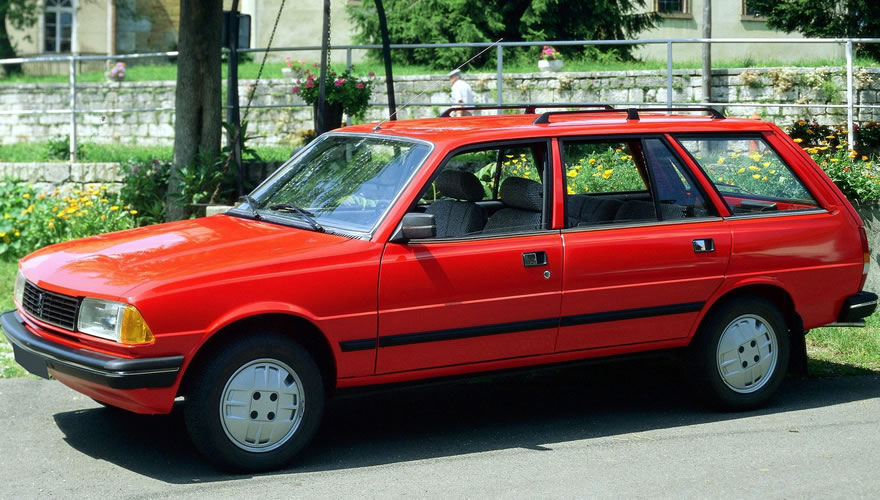
Peugeot 305 — a French family compact car (C-segment), which was produced from November 1977 to 1989 by Peugeot. The car's design was developed by the Italian company "Pininfarina", was very different from its predecessor and looked similar BMW 3 Series of that time. Across Europe it competed with cars such as Audi 80, Ford Cortina, Ford Escort, Ford Taunus, Opel Ascona, Opel Kadett, Renault 18, Nissan Bluebird, Simca 1307, Volkswagen Golf. In 1979, the authoritative British magazine "What Car?" awarded the 305 the title of "Car of the Year." The body style was a four-door sedan (length 4242 mm, width 1630 mm, height 1380 mm), five-door station wagon (length 4260 mm, width 1641 mm, height 1425 mm) and a three-door van.
Vehicle safety has been improved by the introduction of front and rear crumple zone technology, side impact protection and a protected fuel tank. In 1981, the body's aerodynamics underwent significant revision, resulting in a reduction in the drag coefficient from 0.44 to 0.32. The rear suspension became fully independent with trailing arms and shock absorbers, while the front featured a MacPherson strut. This suspension configuration would become standard for cars of this class for many years to come.
All engines were four-cylinder, front-mounted transversely, with front-wheel drive. There were four models of 1.3-liter petrol engines (1290 cm³, XL5, 60 hp), 1.5 liters (1472 cm³, XR5/XR5S, 68/88 hp), 1.6 liters (1580 cm³, XU5, 90 hp) and 1.9 liters (1905 cm³, XU9, 102 hp). There were two modifications of 1.5 liter diesel engines (1548 cm³, XIDL, 49 hp) and 1.9 liters (1905 cm³, XUD9, 65 hp). The gearbox is a four-speed manual, and for the first time a four-speed automatic was also installed.
Peugeot 309 (1985-1994)
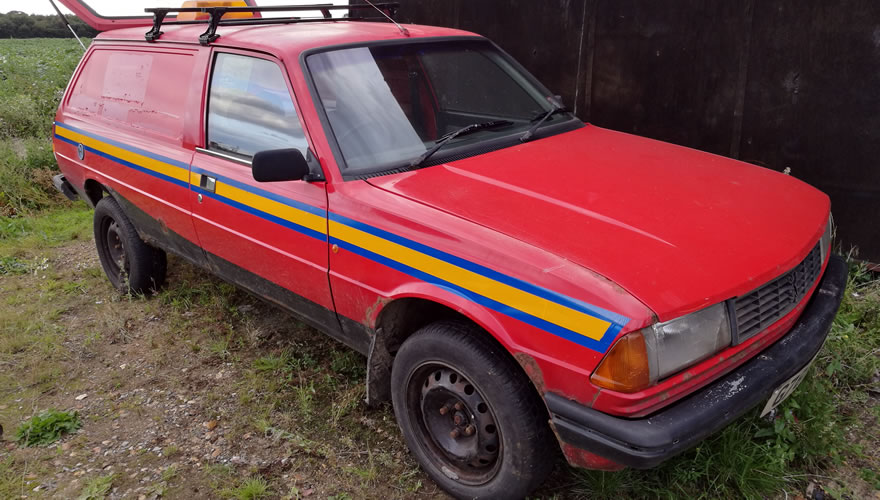
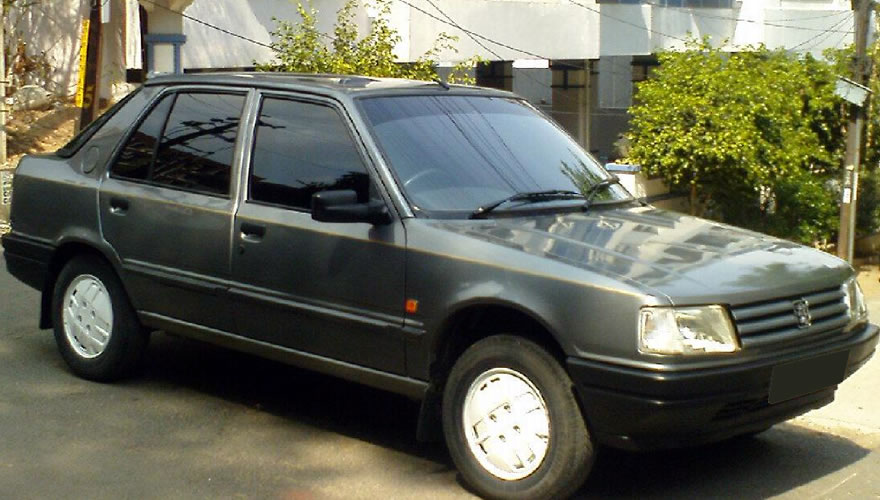
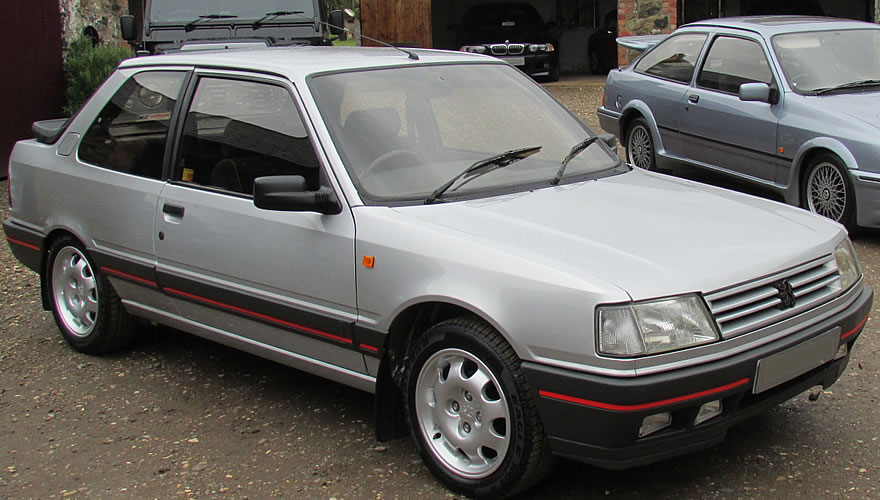
Peugeot 309 — a compact family car (C-segment) of the French automaker Peugeot, produced from October 1985 to 1994. It was intended to designate Talbot brand cars, but in 1985 the brand was discontinued. The non-standard model number "309" instead of the logical "306" following the previous generation of the "305" was chosen to differentiate it from the larger "305" cars, which were produced in parallel until 1989. The body style was limited to a three- or five-door hatchback, measuring 4050 mm in length, 1630 mm in width, 1380 mm in height, and a curb weight of 835 kg. The car was assembled in France, the UK, Spain, and India.
At first, gasoline engines were installed in production "Simca Poissy" 1.1 liter volume (1118 cm³, E1A, 50 hp) and 1.3 liters (1294 cm³, G1A, 81 hp), as well as 1.6-liter Peugeot production (1580 cm³, XU5, 79 hp) and 1.9 liters (1905 cm³, XU9, 104-146 hp). Diesel engines were also four-cylinder with a capacity of 1.8 liters (1769 cm³, XUD7, 59 hp) and 1.9 liters (1905 cm³, XUD9, 64 hp). The transmission was a four- or five-speed manual, as well as a three- or four-speed automatic.
In the summer of 1989, the model was updated. The front end of the body and the radiator grille, the rear lights, the trunk lid, and the interior design were changed. Gasoline engines were replaced with new 1.1-liter "TU" series engines (1124 cm³, TU1, 59 hp) and 1.4 liters (1360 cm³, TU3, 74 hp).
Peugeot 306 (1993-2002)
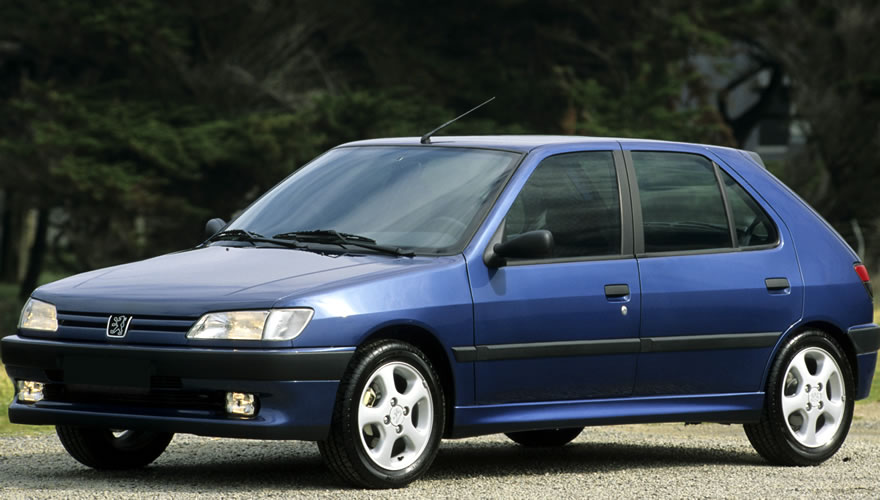
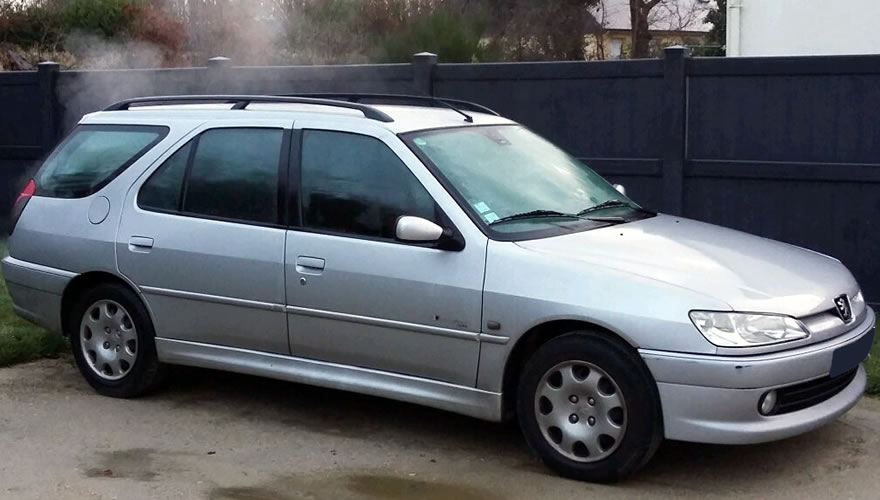
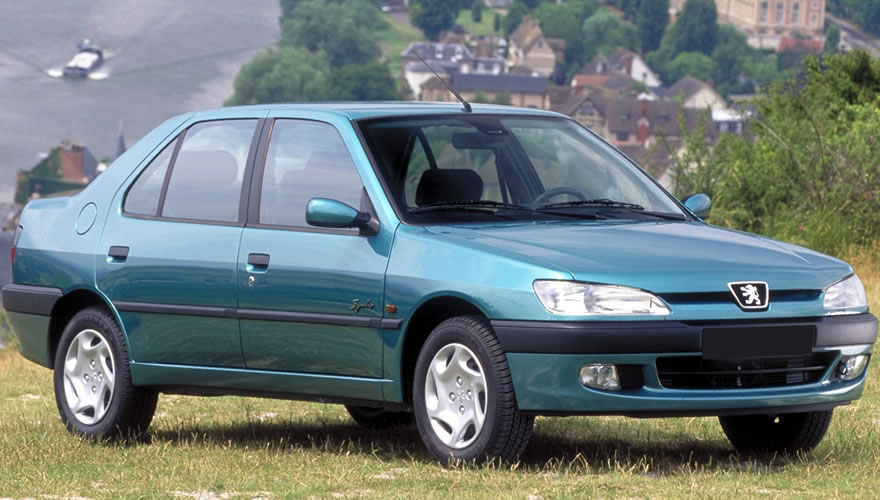
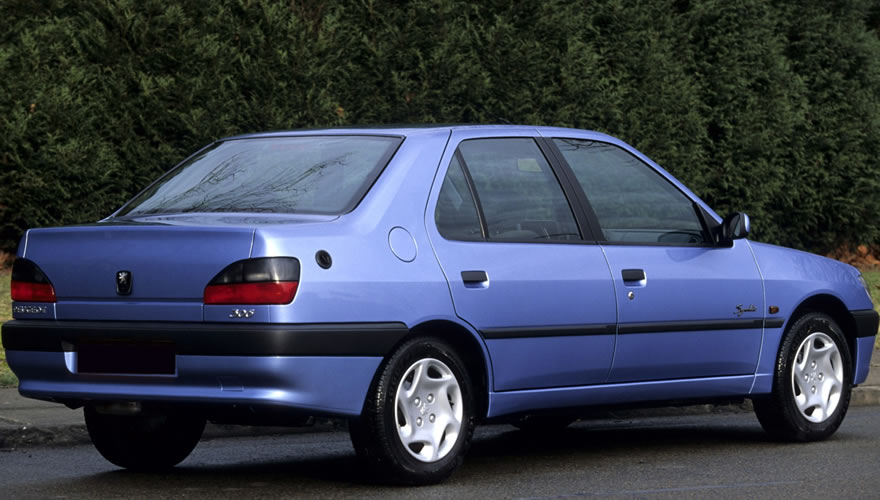
Peugeot 306 — a small family car (C-segment) from the French company Peugeot, which was produced from March 1993 to 2002. The design was seriously worked on to match, and in some ways surpass, its competitors. The technical part was identical "Citroën ZX", which was released two years earlier. The body shape was a three- or five-door hatchback (length 4030 mm, width 1680 mm, height 1380 mm), four-door sedan (length 4267 mm, width 1680 mm, height 1386 mm), five-door station wagon (length 4338 mm, width 1680 mm, height 1415 mm) and a two-door convertible. The car's curb weight was 980 kg. Trim levels were "XN", "XL", "XR", "XT" and "XS." Diesel models were named with the letter "d" or "dt" (turbodiesel). Assembly took place in France, Argentina, the UK, Uruguay, and Chile. A total of approximately 2.9 million vehicles were produced.
Phase 1
Initially, the TU series of eight-valve, four-cylinder petrol engines were used, which had already been tested "205", "309" and "405": 1.1 liters (1124 cm³, TU1, 59 hp), 1.4 liters (1360 cm³, TU3, 74 hp) and 1.6 liters (1587 cm³, TU5, 89 hp). Later, 16-valve 1.8-liter "XU" series engines were added (1761 cm³, XU7, 102 hp) and 2.0 liters (1998 cm³, XU10, 121/155/165 hp). The XUD series diesel engines have earned a good reputation and were installed in volumes of 1.8 liters (1769 cm³, XUD7, 59 hp) and 1.9 liters (1905 cm³, XUD9), naturally aspirated with 68-73 hp, and turbocharged with 90 hp. The transmission was a five- or six-speed manual, as well as a four-speed automatic.
Phase 2
In May 1997, a major update called "Phase 2" was introduced. The exterior lighting, grille, and bumpers were redesigned to bring the design in line with the new, more rounded appearance that debuted in "Peugeot 406". The interior has also been modernized and the quality of the interior trim has been improved. A station wagon body was also added.
All petrol and diesel engines remained the same with some improvements, only the weak 1.1-litre engine was removed.
Phase 3
In 1999, the car received another update, which brought clear lenses to the headlights, round clear fog lights, the removal of the black stripe on the tailgate, the addition of new body colors, as well as other, less noticeable exterior changes and minor interior changes. The petrol engines remained unchanged, but the outdated XUD series diesel engine was replaced by a new HDi series with fuel injection "Common Rail" 2.0 liter (1997 cm³) engine with 89 hp. Almost all models had ABS and multiple airbags as standard equipment. Production ended in 2001, sales continued until 2002.
In 1998, the European committee "Euro NCAP" subjected the car to crash tests to determine its safety, according to the results of which the adult occupant safety was rated at 3 stars out of 5, and pedestrian safety at 1 star out of 5.
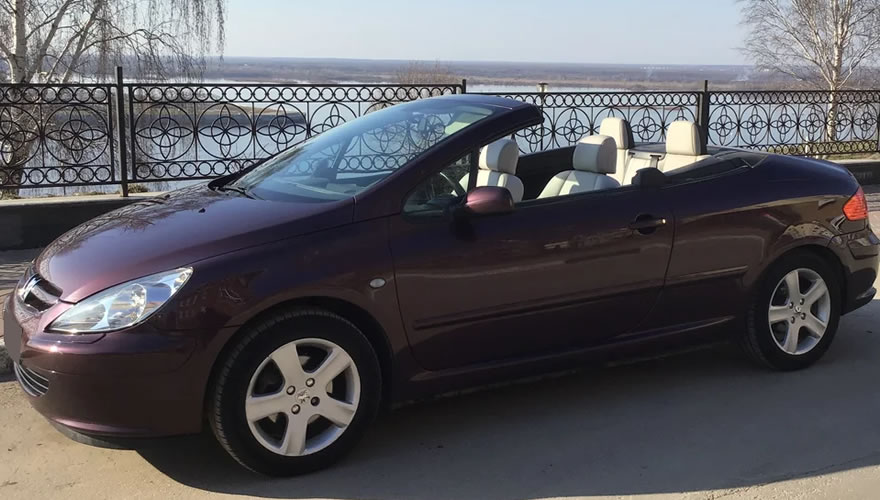
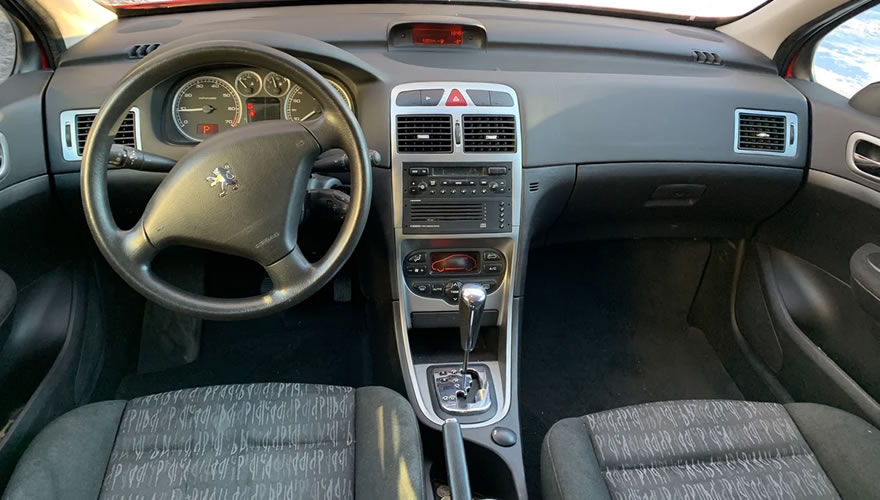
Peugeot 307 (2001-2008)
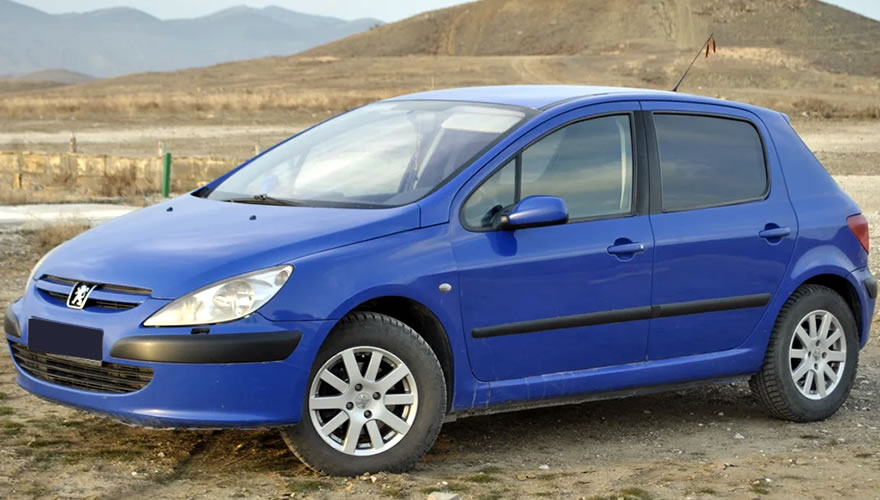
Peugeot 307 — a compact family car (C-segment), which was produced by the French company "Peugeot" from April 2001 to 2008, and in some countries (Argentina, China) it was produced until 2014. It was shown to the public in October 2000 at the Paris Motor Show. Based on the "PSA PF2" platform, which was also used for "Citroën C4", "Citroën DS4", "DongFeng H30 Cross", "Peugeot 308", "Peugeot 3008", "Peugeot RCZ" and others. In total, about 3.7 million cars were produced. European "Car of the Year" Award (international award from the European automotive magazines collective) was awarded the "307" in 2002. The popular British magazine "Top Gear" rated the car highly for price, space, handling and running costs, placing it above its competitors - "Ford Focus" and "Honda Civic".
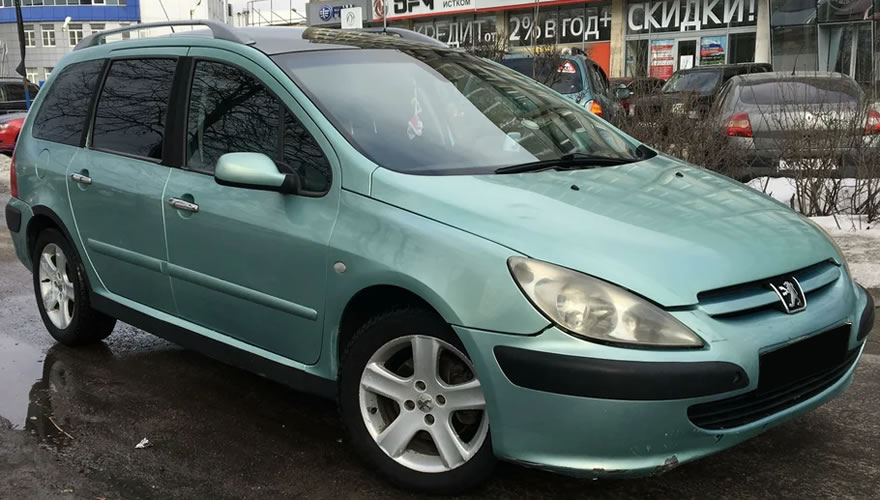
The body was produced as a three- and five-door hatchback (length 4210 mm, width 1730 mm, height 1510 mm), five-door station wagon "307SW" (length 4420 mm, width 1730 mm, height 1510 mm), four-door sedan (length 4470 mm, width 1730 mm, height 1510 mm) and a two-door coupe-convertible "307CC" with a retractable hardtop (length 4350 mm, width 1730 mm, height 1420 mm). The vehicle's curb weight was 1140-1360 kg.
In June 2005, the model was updated, which affected the headlights, hood, radiator grille, and front bumper.
The lineup of petrol four-cylinder engines looked like this:
- 1.4 liters (1360 cm³, TU3) with a capacity of 74 hp.
- 1.4 liters (1360 cm³, ET3) with a capacity of 89 hp.
- 1.6 liters (1587 cm³, TU5) with a capacity of 108 hp.
- 2.0 liters (1997 cm³, EW10) with a capacity of 138 or 175 hp.
Diesel engines were also all four-cylinder:
- 1.4 liters (1398 cm³, DV4 HDi) with a capacity of 68 hp.
- 1.6 liters (1560 cm³, DV6 HDi) with a capacity of 89-108 hp.
- 2.0 liters (1997 cm³, DW10 HDi) with a capacity of 134 hp.
- 2.0 liters (1997 cm³, HDI) with a capacity of 89 hp.
The gearbox was either a five- or six-speed manual or a four-speed automatic.
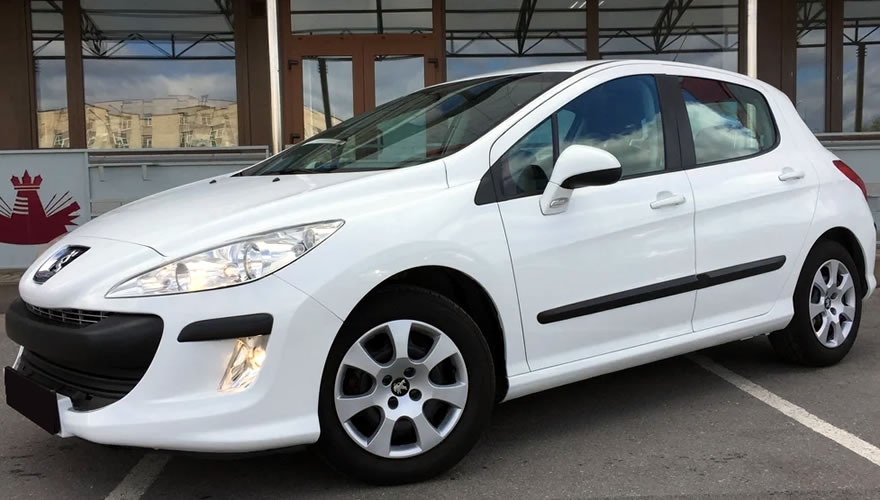
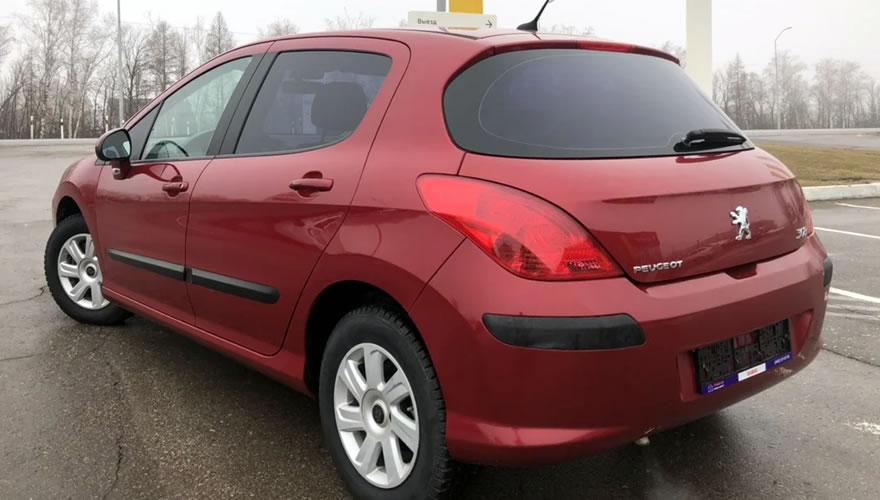
Peugeot 308 (2007-present)
First generation (T7)
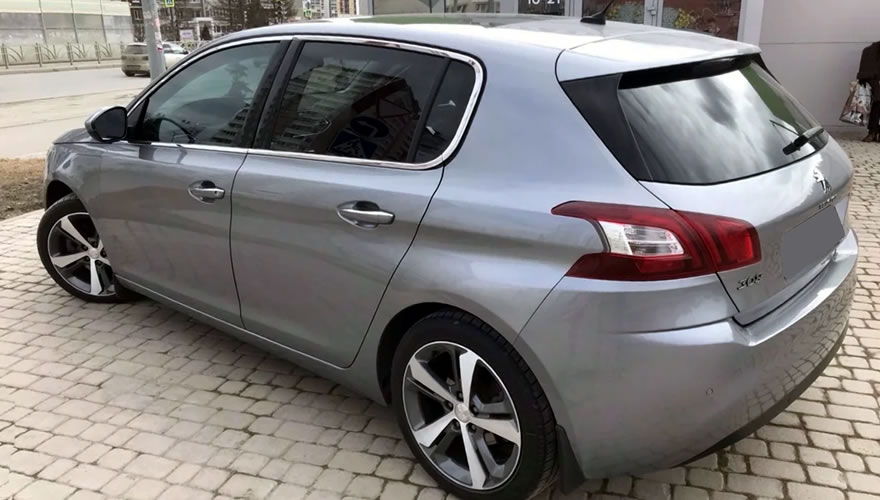
Peugeot 308 — a compact French family car (C-segment), produced from September 2007 to the present by the automaker Peugeot. Based on the same PSA PF2 chassis as the 307, but with a new body with a drag coefficient of 0.29. Body styles included a three- or five-door hatchback (length 4276 mm, width 1815 mm, height 1498 mm), four-door sedan, five-door station wagon "308SW" (4500 mm, width 1815 mm, height 1564 mm) and the two-door coupe-convertible "308CC" (length 4440 mm, width 1817 mm, height 1426 mm). The curb weight ranged from 1,387 to 1,521 kg. The car was assembled in France, Argentina, Indonesia, China, and Malaysia. There are currently two generations of this model. More than 1.2 million cars of the first generation were produced.
Petrol engines were installed four-cylinder with the following characteristics: 1.4 liters (1397 cm³, Prince EP3, 94 hp), 1.6 liters (1598 cm³, Prince EP6, 118 hp) and 1.6 liters (1598 cm³, Prince EP6DT, turbocharged, 148 hp). Diesel engines were also four-cylinder, 1.6-liter (1560 cm³, DV6 ATED4, 89 hp), 1.6 liters (1560 cm³, DV6 TED4, hp) and 2.0 liters (1997 cm³, DW10 BTED4, 136 hp). The diesel-powered 308 HDi still holds the Guinness World Record for the lowest average fuel consumption, at 3.13 liters per 100 km. The transmission was available with a six- or five-speed manual, or a six-speed automatic or semi-automatic.
In May 2011, the model was updated and presented at the Geneva Motor Show that same year. The front part has been changed quite a lot, the rear part has been changed only slightly. The 308 e-HDI was also released, featuring start-stop technology, a braking energy recovery system, and a hybrid battery that provides additional energy when starting. For South America, a second restyling was carried out in 2015.
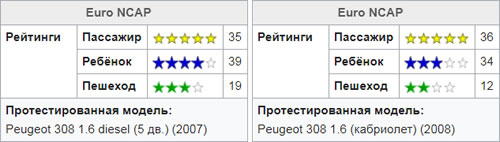
The European committee "EuroNCAP" tested the five-door hatchback in 2007 and the two-door convertible in 2008, see the results in the tables below.
Second generation (T9)
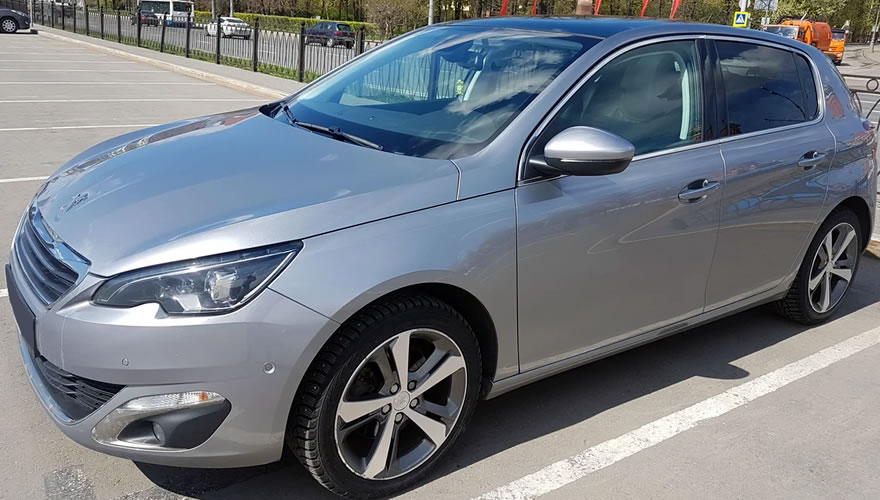
The second generation was introduced in the fall of 2013, when the design was updated simultaneously with new models "208" and "508". The model number "308" was fixed and became the main one, and for developing markets (Asia, Africa, Latin America, Eastern Europe) a car called the "Peugeot 301" was released. From that point on, the numbering was fixed, meaning there would be no new numbering with the release of the next generation, but rather generations, as with most automakers. Both models are based on the new PSA EMP2 platform, which resulted in a weight reduction of over 100 kg. The body style was produced as a five-door hatchback (length 4253 mm, width 1804 mm, height 1457 mm) and station wagon (length 4585 mm, width 1804 mm, height 1472 mm), as well as a four-door sedan. The curb weight was 1,060-1,320 kg. All headlights were equipped with daytime running lights. The car was produced in France, China and Malaysia.
Petrol engines were four-cylinder, and for the first time, three-cylinder in-line engines with a volume of 1.2 liters were also used (1199 cm³, VTi, I3, 82 hp), 1.2 liters (1199 cm³, e-THP, PureTech, I3, turbocharged, 110/130 hp) and 1.6 liters (1598 cm³, THP, Prince, I4, turbocharged, 125/155/205/250/270 hp). Diesel engines were installed four-cylinder with the following characteristics: 1.6 liters (1560 cm³, HDi, 92 hp), 1.6 liters (1560 cm³, e-HDi, 115 hp), 1.6 liters (1560 cm³, BlueHDi, 100/120 hp) and 2.0 liters (1997 cm³, BlueHDi, DW10B, 150/180 hp). All diesels are turbocharged. The transmission is a five- or six-speed manual, as well as a six- or eight-speed automatic.

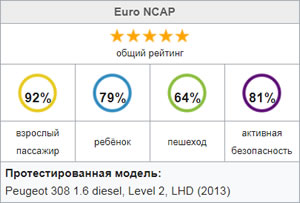
The second generation of the Peugeot 308 was crash tested by the European committee EuroNCAP in 2013, the results of which can be seen in the table on the right.
Currently, the main competitors and classmates of the Peugeot 308 are the following cars: Audi A3, BMW 1 series, Fiat Bravo, Chevrolet Cruze, Chery Bonus, Citroën C4, Ford Focus, Honda Civic, Hyundai Elantra, Infiniti Q30, Kia ceed, Kia Cerato, Mazda 3 (Familia), Lada Samara, Lada Vesta, Lifan Breez, Mercedes A-Class (W177), Mitsubishi Lancer, Nissan Almera, Nissan Sentra, Opel Astra (Kadett), Renault Megane, SEAT Leon, Skoda Octavia, Subaru Impreza, Toyota Auris, Toyota Corolla, Toyota Allion and Volksvagen Golf.
Peugeot 301 (2012-present)
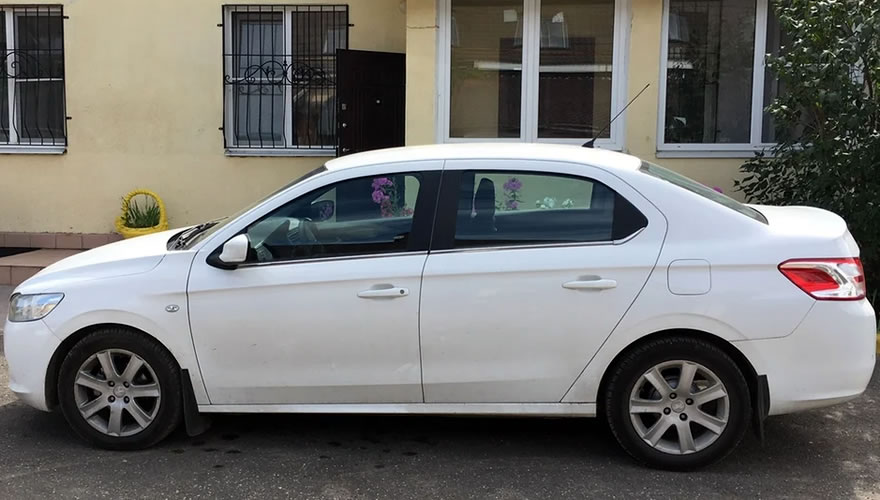
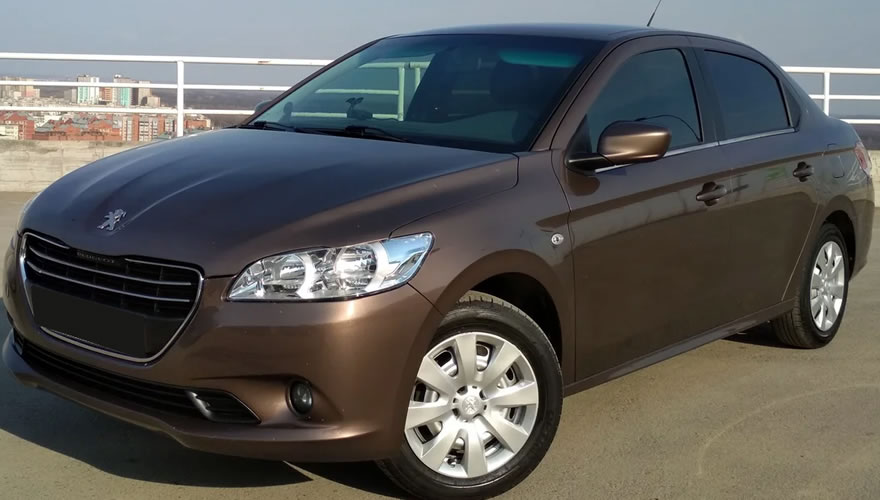
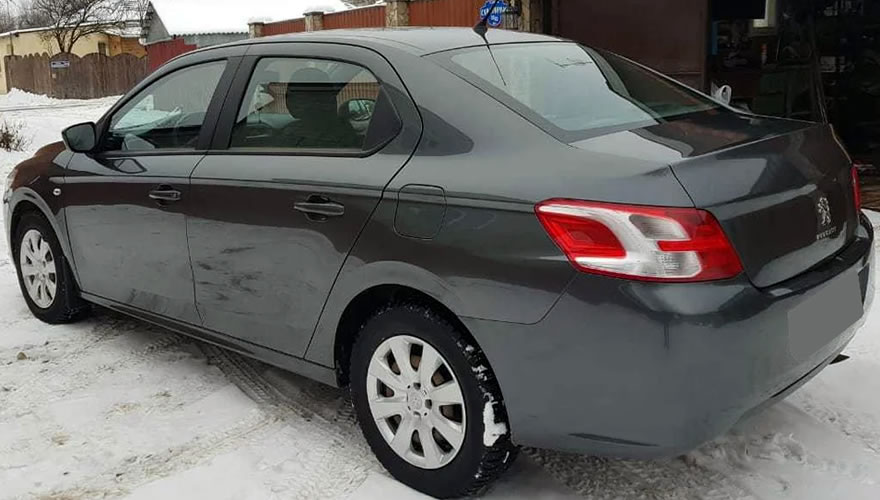
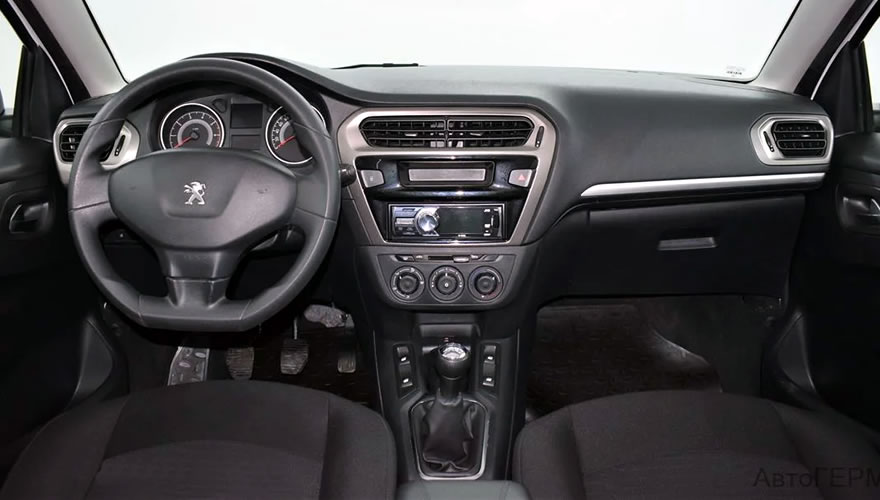
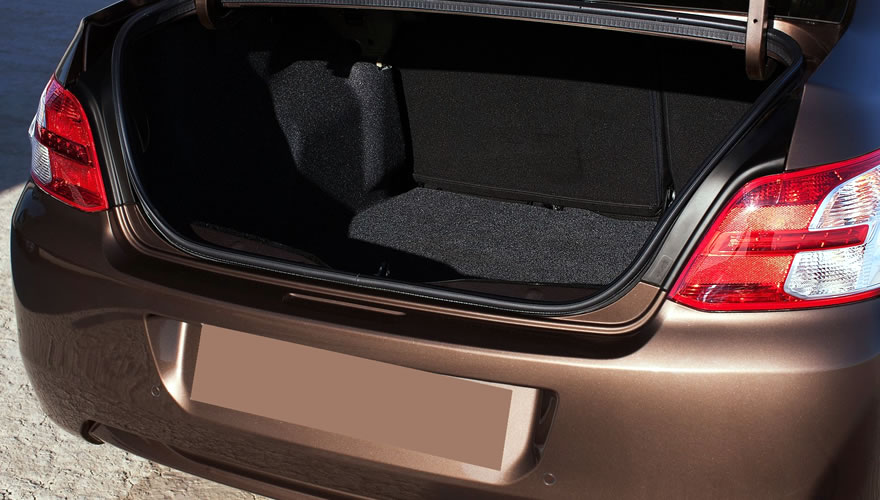
Peugeot 301 — a compact car (C-segment) produced by the French company Peugeot from 2012 to the present for emerging markets and not available in Western Europe. It was unveiled to the public at the Paris Motor Show in October 2012. The "301" designation was already used in 1932 and is produced alongside the second-generation Peugeot 308. The body is a four-door sedan only, measuring 4442 mm in length, 1748 mm in width, 1466 mm in height, and has a curb weight of 1055 kg. It has three trim levels: "Access", "Active" and "Allure." The car is produced in Spain, Iran, China, and Nigeria. The "301" model has a nearly identical counterpart "Citroën C-Elysée".
There were three modifications of 1.2-liter petrol engines (1199 cm³, VTi, I3, 71 hp), 1.2 liters (1199 cm³, puretech, I3, hp) and 1.6 liters (1587 cm³, VTi, I4, hp). There were two diesel engine models, both four-cylinder with a capacity of 1.6 liters (1560 cm³), one "HDi" engine with a capacity of 91 hp and the second "blueHDi" with a capacity of 99 hp. The gearbox was a five-speed automatic and a four- or six-speed automatic.
Front suspension independent type "MacPherson" with springs and transverse stabilizer, rear semi-independent with springs and the same stabilizer. Ventilated disc brakes at the front and drum brakes at the rear.

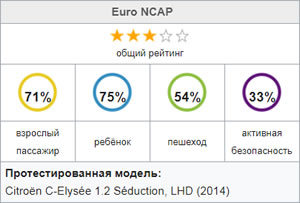
In 2014, the car was tested for safety by the European committee "Euro NCAP"; see the crash test results in the table.