



Caution: Before carrying out any work on the vehicle battery, read the precautions given in "Safety first" at the start of this manual.
- Make sure that the battery tray is in good condition, and that the clamp is tight. Corrosion on the tray, retaining clamp and the battery itself can be removed with a solution of water and baking soda. Thoroughly rinse all cleaned areas with water. Any metal parts damaged by corrosion should be covered with a zinc-based primer, then painted.
- Periodically (approximately every three months), check the charge condition of the battery as described in Chapter 5A.
- If the battery is flat, and you need to jump start your vehicle, see Roadside Repairs.
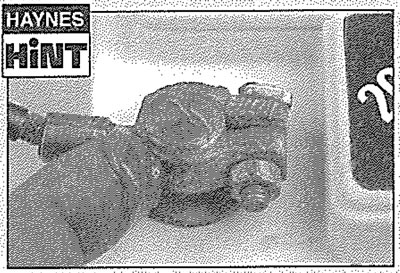
Battery corrosion can be kept to a minimum by applying a layer of petroleum jelly to the clamps and terminals after they are reconnected.
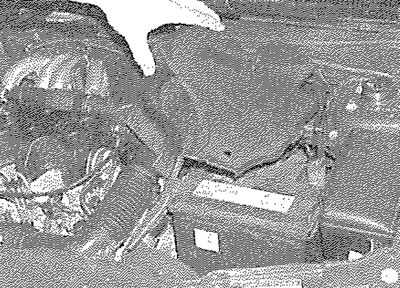
1. The battery is located on the left-hand side of the engine compartment. Lift off the cover, then inspect the exterior of the battery for damage such as a cracked case.
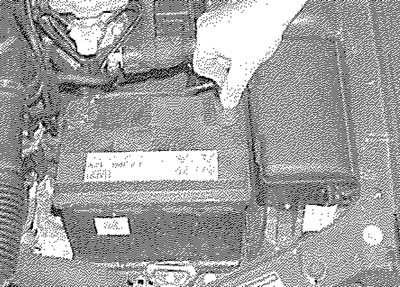
2. Check the tightness of the battery cable clamps to ensure good electrical connections. You should not be able to move them. Also check each cable for cracks and frayed conductors.
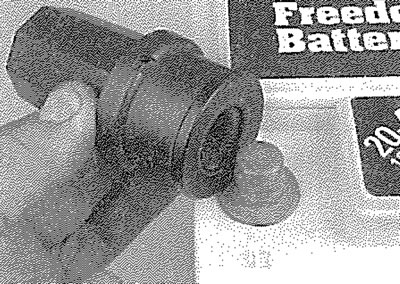
3. lf corrosion (white, fluffy deposits) is evident, remove the cables from the battery terminals, clean them with a small wire brush, then refit them. Automotive stores sell a tool for cleaning the battery post...
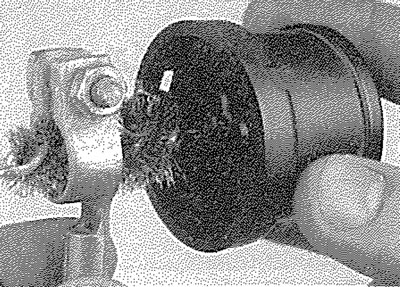
... as well as the battery cable clamps