



Before starting this procedure, gather all the necessary tools and materials together. It is necessary that the engine is warm so that the oil flows better along with the bulk of the contaminants.
1. Loosen the drain plug about half a turn using a special square-section wrench. Place a container to collect the oil under the drain plug and unscrew the plug completely. If necessary, apply pressure to the plug while unscrewing to prevent the oil from leaking prematurely. Remove the O-ring from the drain plug.
2. Once the oil has drained completely, wipe off any debris around the drain hole with a rag and screw the plug back on securely.
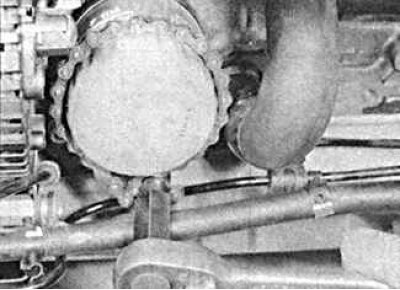
3. Use a special tool to loosen the filter, then unscrew it by hand. Pour the old oil into a container.
4. Wipe away all traces of oil and dirt around the filter mounting area. Check to see if the rubber seal is still on the cylinder block. If it is, remove it.
5. Apply a thin layer of engine oil to the rubber seal of the new oil filter and screw the filter on by hand without using any tools.
6. Place the car on a flat, horizontal surface.
7. Remove the dipstick and unscrew the filler cap. Fill with oil using the appropriate grade of oil. Fill half the required amount of oil and wait a few minutes for the oil to drain into the pan. Then continue pouring oil in small portions until the oil level reaches the minimum level on the dipstick. Adding about 1 more liter will raise the oil level to the maximum on the dipstick. Close the filler cap.
8. Start the engine and let it run for a few minutes. Check for oil leaks around the filter and the drain plug on the pan. Note that the oil pressure warning light may stay on for a few seconds as the oil fills all the passages and oil reservoirs in the engine.
9. Turn off the engine and wait a few minutes for the oil to drain into the pan. Check the oil level and top up if necessary.