



Caution: Before performing the following procedure, please refer to the precautions described in paragraph "Safety first!" at the beginning of this Guide and follow them carefully. Gasoline is a highly hazardous and volatile liquid, and any precautions when handling it are essential.
1. The fuel filter is located under the rear of the vehicle, on the side of the fuel tank. To gain access to the filter, place wheel chocks under the front wheels, raise the rear of the vehicle and place secure supports underneath it (see "Lifting and installing the car on supports").
2. Place a suitable container under the filter to collect any spilled fuel.
3. Wrap the fuel line connections tightly with a rag to catch any fuel that may escape when the fuel pressure is released, then press the clamps and slowly disconnect the corresponding fuel line. Disconnect the other line from the opposite end of the filter and allow the filter contents to drain into a container (figure 20.3).
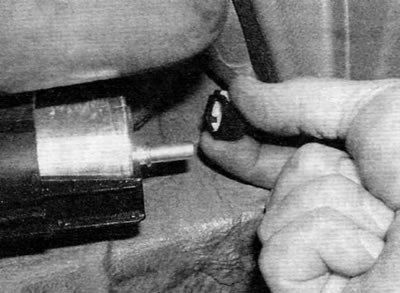
Figure 20.3. Press the clamps and disconnect the fuel lines from the fuel filter
4. Release the tab on the retaining clamp and remove the fuel filter from its holder, noting how it is installed (figure 20.4). Dispose of the "old" filter properly. It is highly flammable and may explode if thrown into a fire.
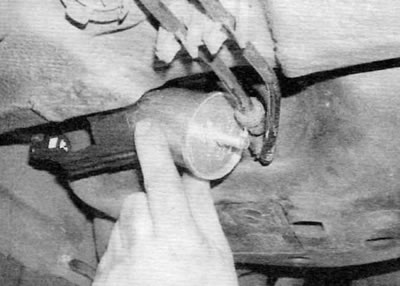
Figure 20.4. Release the tab on the retaining clamp and remove the fuel filter from its holder
[Original is located at: www.PeugeotBook.ru]
5. Insert the new filter into its original place, orienting it correctly. There will be either an arrow on the filter housing (indicating the correct direction of fuel flow), or marking "OUT" at one end (pointing to the outlet side of the filter).
6. Securely fasten the filter into its holder, then connect both fuel lines. Make sure the pipes "snap" onto the filter and that they are securely fastened with quick-release couplings.
7. Start the engine and check the fuel filter for signs of leaks.