



2. If there is an obvious wear ridge at the top of any cylinder, it may be necessary to remove it with a scraper or special reamer to avoid damaging the piston during removal. The presence of such a ridge indicates increased wear of the cylinder.
3. Using a hammer and center punch, paint or marker, mark each connecting rod and connecting rod bearing cap on a flat machined surface with the corresponding cylinder number. If the engine has been disassembled previously, note any identification marks previously applied (figure 10.3). Keep in mind that cylinder #1 is at the end of the engine where the transmission (flywheel) mounts.
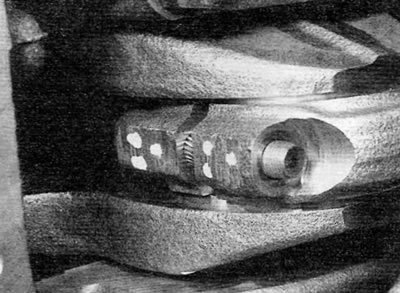
Figure 10.3. Identification markings on the connecting rod and big-end bearing cap (shown for bearing No. 3)
4. Turn the crankshaft enough to bring pistons No. 1 and 4 to the BDC position (to the bottom dead center).
5. Unscrew the nuts on the bearing cover of the lower head of connecting rod No. 1. Remove the cover and take out the lower bearing shell (figure 10.5). If the bearing shells are to be reused, tape the cover and shell together.
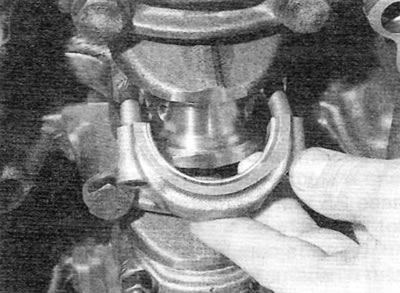
Figure 10.5. Removing the cap and bearing shell of the lower connecting rod head
6. To prevent possible damage to the main journals, tape the threaded ends of the connecting rod studs, if applicable (figure 10.6).
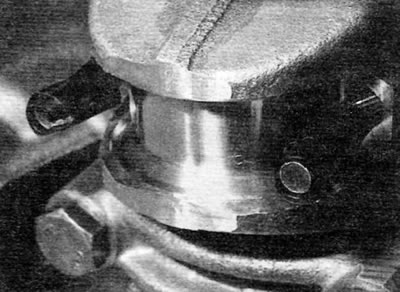
Figure 10.6. To protect the crankshaft journals, cover the connecting rod stud threads with adhesive tape
7. Using the hammer handle, push the piston up along the cylinder and remove it through the top of the cylinder block. Remove the bearing shell, secure it to the connecting rod using adhesive tape and store it in a safe place.
8. Install the connecting rod small end cap onto the connecting rod and secure it with the nuts without tightening them. This will help keep the elements in the correct order.
9. Remove piston No. 4 in the same way.
10. Turn the crankshaft 180° to bring pistons No. 2 and 3 to the BDC position (to the bottom dead center), and remove them in the same way.
Original publication on the website: www.PeugeotBook.ru