



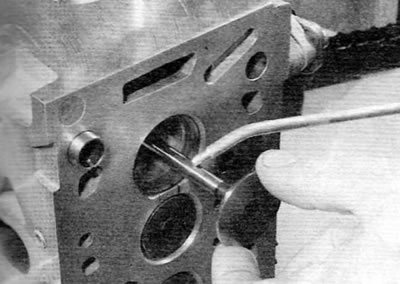
Figure 9.1. Lubricate the valve stems before installation
2. Working with the first valve, install the lower spring plate. Next, dip the new valve stem seal into fresh engine oil and then, using a suitable socket, carefully press it onto the valve stem and valve guide. Be careful not to damage the cap when placing it on the valve stem. To seat the valve stem seal onto the guide bushing, use a suitable socket head or a piece of pipe with machined ends (figure 9.2).
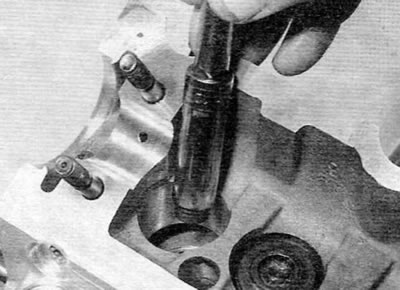
Figure 9.2. Installing the oil seal using a socket head
3. Install the valve spring onto the lower plate, then install the upper spring plate.
4. Compress the valve spring and insert the crackers into the groove on the valve stem. Remove the spring compressor and repeat the procedure on the remaining valves.
Tip: Use grease to hold the valve spring keepers on the valve stem when removing the spring compressor.
5. After all the valves are installed, lay the cylinder head on its side on the workbench, take a hammer and, using a wooden block in between, lightly tap the end of each valve stem. This will allow the elements to take a stable position.
6. Install the camshaft, valve lifters and adjusting shims or hydraulic lifters (whichever is applicable), as described in the chapter 2B or 2B.
7. The cylinder head can then be installed as described in chapter 2B or 2B or in paragraph 5 this chapter (whichever is applicable).