



General information
1. The timing belt drives the camshaft, high-pressure fuel pump, and coolant pump from a toothed pulley on the front end of the crankshaft. In addition, the belt drives the brake system's vacuum pump, but not directly, but from the camshaft on the flywheel side. If the belt breaks or slips during operation, the pistons can come into contact with the valve heads, causing extensive damage that can lead to costly repairs.
2. The timing belt should be replaced at the prescribed intervals or sooner if it is contaminated with oil or makes noise during operation (squealing/creaking noise due to uneven wear).
3. If the timing belt is removed, it is recommended to simultaneously check the condition of the coolant pump (check for signs of coolant leakage). This will help avoid having to remove the belt at a later stage if the coolant pump fails.
Removal
4. Disconnect the ground cable from the battery (see "Disconnecting the battery").
5. Remove the crankshaft pulley as described in paragraph 5.
6. Remove the timing belt covers as described in paragraph 8.
7. Temporarily install the crankshaft pulley to allow the engine to turn, and then align the engine/camshaft timing assembly mounting holes as described in paragraph 3, and lock the camshaft timing pulley, high pressure fuel pump timing pulley and flywheel. Do not attempt to crank the engine with the rods inserted.
8. Remove the right engine mount bracket from the body as described in paragraph 9.
9. Loosen the timing belt tensioner shaft mounting nut and adjusting bolt, and then turn the tensioner bracket counterclockwise to release the tension. Retighten the adjusting bolt to hold the tensioner in the released position. To turn the tensioner bracket against the spring force, use a 10mm square head wrench inserted into the provided hole (figure 7.9).
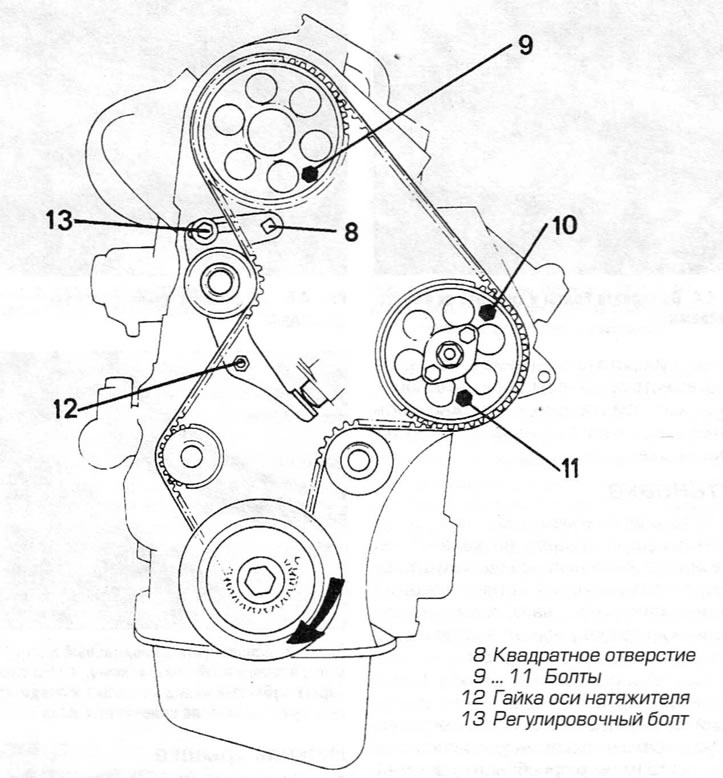
Figure 7.9. Removing the timing belt
10. If the timing belt is to be used further, mark the direction of rotation on the belt with white paint or a marker (if the standard markings are not visible). Remove the belt from the timing pulleys (figure 7.10, a, b).
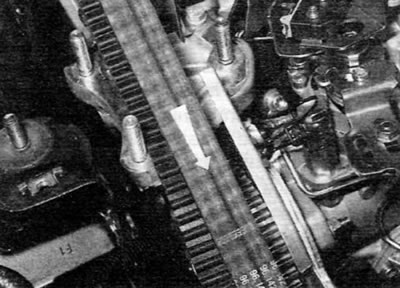
Figure 7.10, a. Mark the timing belt with an arrow indicating the direction of rotation
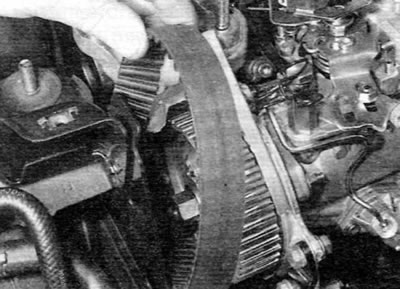
Figure 7.10, b. Removing the timing belt
Inspection
11. Carefully inspect the timing belt for signs of uneven wear, delamination or oil contamination. Pay special attention to the gullets of the teeth. Replace the belt if you have even the slightest doubt about its condition. If the engine is undergoing a major overhaul and the vehicle has more than 60,000 km on the drive belt, the belt must be replaced, regardless of its external condition. The cost of a new belt is incomparable to the cost of engine repair if the belt breaks. If signs of oil contamination are detected, locate the leak and correct the cause of the leak. Wash the engine in the timing belt area, as well as all related components, until all traces of oil are removed. Make sure the tensioner and idler pulley rotate freely without binding. If necessary, replace them as described in paragraphs 9 and 10 (whichever is applicable).
(Information copied from the resource: «peugeotbook.ru»)
Installation and tensioning
12. Begin installation by checking that the 8mm diameter bolts are still inserted into the camshaft and high pressure fuel pump sprockets and that the rod/drill is inserted into the mounting hole in the flywheel.
13. Place the timing belt on the crankshaft toothed pulley, making sure that the arrow on the belt (if available) was turned in the correct direction of belt rotation.
14. Engage the timing belt with the crankshaft timing pulley, hold it in place, and then fit the belt onto the remaining timing pulleys in the following sequence:
- a) intermediate roller;
- b) high-pressure fuel pump;
- c) camshaft;
- d) tensioner roller;
- d) coolant pump.
15. Do not twist the belt sharply when installing it. To ensure proper engagement, before installing the belt on the camshaft sprocket, install the belt on the high pressure fuel pump sprocket only halfway across the belt width, while keeping the belt taut and fully engaged with the crankshaft sprocket. Place the timing belt completely onto the timing pulleys (figure 7.15).
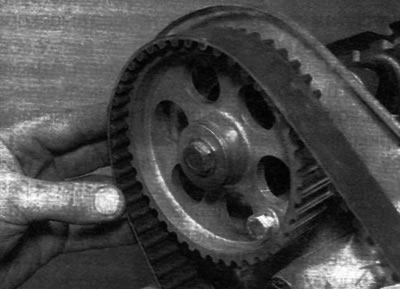
Figure 7.15. Place the timing belt on the toothed pulleys
16. Unscrew and remove the 8mm diameter locking bolts from the camshaft and high pressure fuel pump sprockets, and remove the rod/drill from the flywheel mounting hole.
17. Loosen the nut on the axle and loosen the tensioner adjusting bolt while holding the bracket to counteract the spring force. Slowly release the bracket until the roller is pressed against the timing belt. Retighten the adjusting bolt and axle mounting nut.
18. Turn the crankshaft two full turns in the normal direction of rotation (clockwise). Do not turn the crankshaft in the reverse direction, as tension on the timing belt between the crankshaft, high pressure fuel pump and camshaft pulleys must be maintained.
19. Loosen the tensioner adjusting bolt and axle mounting nut to allow the tensioner spring to press the roller against the timing belt, and then tighten the adjusting bolt and axle mounting nut to the specified torque.
20. Make sure the mounting holes are still correctly positioned. To do this, insert the locking bolts into the toothed pulleys and a rod/drill into the installation hole in the flywheel, as the holes are not positioned correctly, the timing belt has been installed incorrectly (perhaps one tooth is missing on one of the toothed pulleys). In this case, repeat the installation procedure from the beginning.
21. Install the upper timing belt covers as described in paragraph 6.
22. Install the right engine mount bracket to the body (see paragraph 9).
23. Install the crankshaft pulley as described in paragraph 5.