



Table of contents: Cleaning 🠇 Inspection 🠇
Cleaning
1. Remove all external components and electrical switches/sensors from the cylinder block. Ideally, smooth surfaces should also be removed for complete cleaning (rod) plugs (figure 11.1). Drill a small hole in the removable plug and screw a self-tapping screw into it. Pull the screw with pliers and remove the plug. You can also use an impact puller.
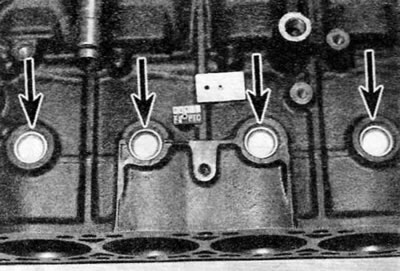
Figure 11.1. Cylinder block rod plugs (marked with arrows)
2. On gasoline engines with an aluminum cylinder block and "wet" liners (1.4 l), remove the liners as described in paragraph 18.
3. If applicable, remove the bolts and piston cooling oil nozzle tubes (one for each piston) from the inside of the cylinder block (figure 11.3).
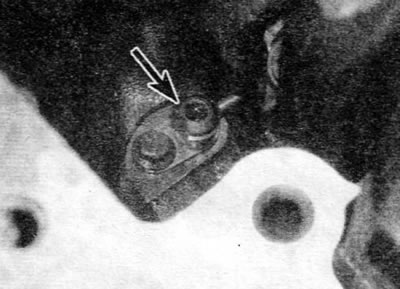
Figure 11.3. Oil nozzle tube for piston lubrication (marked with an arrow) in the cylinder block
4. Remove all traces of gasket material from the cylinder block/crankcase and from the housing/main bearing caps (depending on the design), while being careful not to damage the mating/sealing surfaces.
5. Remove all oil channel plugs (if available). The plugs are usually very tightly fitted. They may need to be drilled out and the holes re-threaded. When reassembling the engine, use new plugs.
6. If any elements are heavily soiled, steam cleaning should be performed.
7. After this, clean all oil holes and oil channels again. Rinse all internal passages with warm water. You need to rinse until the water comes out clean. Dry thoroughly and apply a thin layer of oil to all mating surfaces to prevent rust. On engines with cast iron cylinder blocks, also lubricate the inner cylinder walls. If you have access to compressed air, use it to speed up drying and blow out all grease holes and passages.
Caution! Wear eye protection when working with compressed air.
8. If the unit is not very dirty, you can use hot soapy water and a stiff brush to clean it. Take your time and work thoroughly. Regardless of the cleaning method used, clean all lubrication holes and passages very thoroughly and dry all components well. To prevent rust, take protective measures as described above.
9. Clean all threaded holes; this will ensure the required tightening torques during assembly. To clean the threads, tap each hole with a tap of the proper size. This will remove rust, corrosion products, thread sealant or sludge and restore damaged threads (figure 11.9). If possible, use compressed air to clear the holes of traces of previous cleaning.
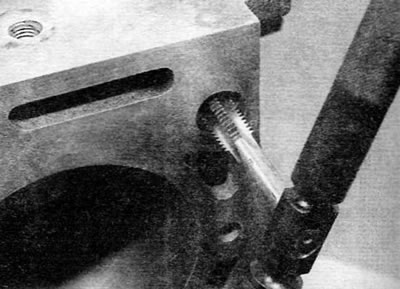
Figure 11.9. Use a suitable tap to clean the threaded holes in the cylinder block
10. Apply appropriate sealant to the new oil passage plugs and insert the plugs into the holes in the block. Tighten them securely. Also apply a suitable sealant to the new smooth plugs and use a piece of pipe with machined ends or a socket head to insert the plug into the cylinder block.
11. If applicable, clean the threads of the piston cooling oil nozzle tube mounting bolts and apply a drop of locking compound (peugeot/Citroen recommends using Loctite Frenetanch) on the threads of these bolts. Install the oil pipes onto the cylinder block, screw in the bolts and tighten them to the specified torque.
12. If the engine is not to be reassembled immediately, cover it with a large plastic bag or just film to keep it clean. Protect all mating surfaces and cylinders as described above to prevent rust.
Inspection
Cast iron cylinder block
13. Visually inspect the cylinder block for cracks, rust and corrosion. Inspect the threaded holes for stripped threads. If there has been an internal coolant leak, it may be helpful to take the engine block to an engine overhaul specialist to have it inspected using specialized equipment. If any defects are found, correct them if possible or replace the cylinder block.
14. Check each cylinder for scratches and burrs. Check for wear ridges in the upper area of the cylinder. This ridge indicates increased cylinder wear.
15. Accurate measurement of cylinder diameter requires special equipment and experience. It is recommended to have the measurement carried out by an engine repair specialist who can also provide the appropriate pistons (if possible), if the engine repair requires cylinder boring.
16. If the cylinder "mirrors" and pistons are in acceptably good condition and do not have excessive wear and the clearances between the pistons and cylinder walls are within the norm, only the piston rings will need to be replaced. If this is the case, the cylinders should be honed to allow the new rings to seat properly and ensure the best possible fit (as far as possible) compaction. An engine repair specialist will do this job for a reasonable price.
17. At the time of writing, it was not known whether oversize pistons were available for all models. For the latest piston availability information, please contact your Peugeot/Citroen dealer or engine repair specialist. If there are pistons of repair size (purchased either from a Peugeot/Citroen dealer or from another source), it is possible to bore out the cylinders and install pistons of a repair size. If oversize pistons are not available and the cylinders are worn, replacing the block is the only option.
Aluminum cylinder block
18. Remove the sleeve retaining clamps (if used), and then use a wooden drift to knock out each cylinder liner from the inside of the cylinder block. Once all the liners have been released, tilt the cylinder block on its side and remove the liners from the top of the block. After removing each cartridge, stick it on its left side (from the gearbox side) surface with masking tape and write the cylinder number on the tape. Cylinder #1 is located at the end of the engine where the timing belt is located. Remove the O-ring from the base of each sleeve and discard (figure 11.18, a, b).
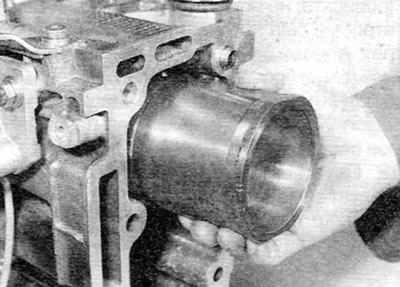
Figure 11.18, a. On engines with an aluminum cylinder block, remove each liner in turn...
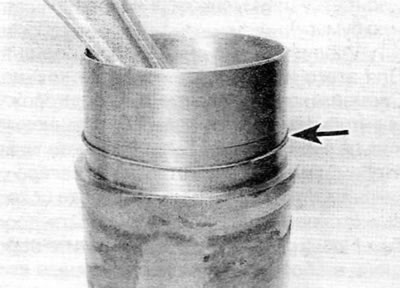
Figure 11.18, b....and remove the lower sealing ring from it (marked with an arrow)
19. Check the liner of each cylinder for scratches and burrs. Check for a narrow wear ridge in the upper area of the liner, indicating that the cylinder has increased wear.
20. Show the liners to an engine repair specialist so that he can take the necessary measurements and determine if replacement is necessary. If required, a specialist can provide the necessary information on the availability of pistons/liners.
21. Before installing the sleeves, check the sleeve protrusion as described below. Thoroughly clean the mating surfaces of the liner and cylinder block. Insert all liners into the cylinder block properly. If previously removed sleeves are used, install them in their original position. After all four liners have been correctly installed, using a dial indicator (or a ruler and fan-shaped "feeler"), check the protrusion of each liner above the top mating surface of the cylinder block for compliance with the value specified in "Specifications". The maximum difference in values between any two sleeves must not be exceeded.
Note: If new liners are installed, it is permissible to swap them around to bring the difference in protrusion to the standard. Each piston should be stored together with the corresponding sleeve. If the liner protrusion is not within specifications, consult an engine repair specialist before continuing with engine repair work.
22. After checking the protrusion, remove the sleeves from the block and carefully install a new O-ring onto the base of each sleeve. To facilitate installation, apply a small amount of grease to the base of each sleeve.
23. Insert each sleeve into the cylinder block, being careful not to damage the sealing ring. Insert each sleeve into the cylinder block and manually push it in as far as it will go. Using a light hammer tap through a wooden block, fully seat the sleeve into place; the flange of the sleeve must sit on the corresponding stop. If previously removed sleeves are being installed, using the marks made during removal, ensure that each sleeve is correctly oriented and inserted into its original bore.
24. Wipe clean and lightly lubricate all exposed surfaces of the sleeve to prevent rusting. If necessary, secure the sleeves with clamps.