



Hydrofluoric acid
This extremely corrosive acid is formed when certain types of synthetic rubber, found in some O-rings, oil seals, fuel hoses etc, are exposed to temperatures above 400°C. The rubber changes into a charred or sticky substance containing the acid. Once formed, the acid remains dangerous for years. If it gets onto the skin, it may be necessary to amputate the limb concerned.
When dealing with a vehicle which has suffered a fire, or with components salvaged from such a vehicle, wear protective gloves and discard them after use.
The battery
Batteries contain sulphuric acid, which attacks clothing, eyes and skin. Take care when topping-up or carrying the battery.
The hydrogen gas given off by the battery is highly explosive. Never cause a spark or allow a naked light nearby. Be careful when connecting and disconnecting battery chargers or jump leads.
Air bags
Air bags can cause injury if they go off accidentally. Take care when removing the steering wheel and/or facia. Special storage instructions may apply.
Diesel injection equipment
Diesel injection pumps supply fuel at very high pressure. Take care when working on the fuel injectors and fuel pipes.
Original text is located at: peugeotbook.ru
Warning: Never expose the hands, face or any other part of the body to injector spray; the fuel can penetrate the skin with potentially fatal results.
| Remember... | |
| DO | DON'T |
| • Do use eye protection when using power tools, and when working under the vehicle. | • Don't attempt to lift a heavy component which may be beyond your capability - get assistance. |
| • Do wear gloves or use barrier cream to protect your hands when necessary. | • Don't rush to finish a job, or take unverified short cuts. |
| • Do get someone to check periodically that all is well when working alone on the | • Don't use ill-fitttng tools which may slip vehicle and cause injury. |
| • Do keep loose clothing and long hair well out of the way of moving mechanical parts. | • Don't leave tools or parts lying around where someone can trip over them. Mop up oil and fuel spills at once. |
| • Do remove rings, wristwatch etc, before working on the vehicle - especially the | • Don't allow children or pets to play in or electrical system near a vehicle being worked on. |
| • Do ensure that any lifting or jacking equipment has a safe working load rating adequate for the job. | |
The following pages are intended to help in dealing with common roadside emergencies and breakdowns. You will find more detailed fault finding information at the back of the manual, and repair information in the main chapters.
If your car won't start and the starter motor doesn't turn
- If it's a model with automatic transmission, make sure the selector is in 'P' or
- Open the bonnet and make sure that the battery terminals are clean and tight.
- Switch on the headlights and try to start the engine. If the headlights go very dim when you're trying to start, the battery is probably flat. Get out of trouble by jump starting (see next page) using a friend's car.
If your car won't start even though the starter motor turns as normal
- Is there fuel in the tank?
- Is there moisture on electrical components under the bonnet? Switch off the ignition, then wipe off any obvious dampness with a dry cloth. Spray a water-repellent aerosol product (WD-40 or equivalent) on ignition and fuel system electrical connectors like those shown in the photos. Pay special attention to the ignition coil wiring connector and HT leads. (Note that Diesel engines don't normally suffer from damp.)
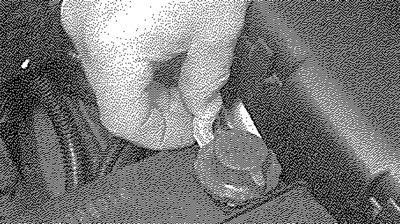
A. Check the security and condition of the battery terminals.
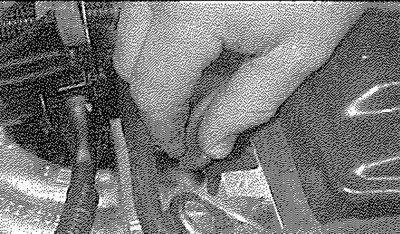
B. Check that the HT leads are securely connected to the spark plugs (petrol engine models).
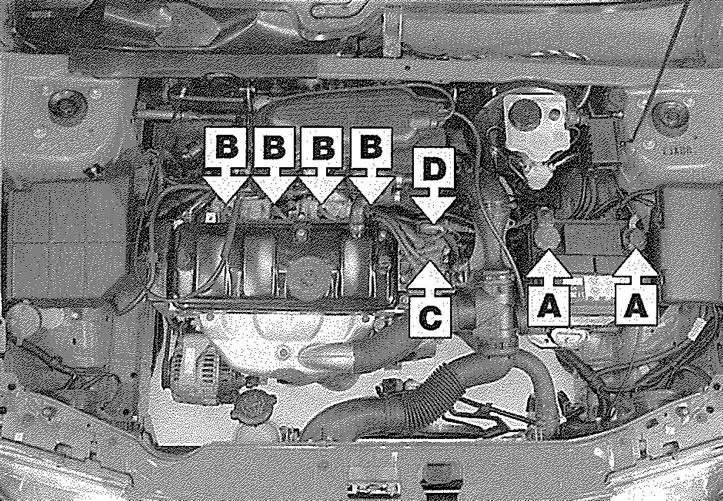
Check that electrical connections are secure (with the ignition switched off) and spray them with a water dispersant spray like WD40 if you suspect a problem due to damp
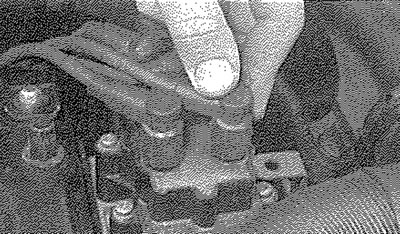
C. Also check the four HT lead connections to the ignition coil (petrol engine models).
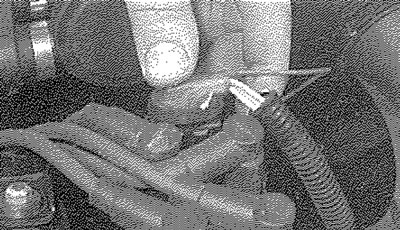
D. Check that the ignition coil LT wiring is securely connected (petrol engine models).
When jump-starting a car using a booster battery, observe the following precautions:
- Before connecting the booster battery, make sure that the ignition is switched off.
- Ensure that all electrical equipment (lights, heater, wipers, etc) is switched off.
- Take note of any special precautions printed on the battery case.