



Note: On 1.9L engines, adjusting valve clearances requires removing the camshaft. If you plan to replace a removed camshaft, it is recommended to record the valve clearances before removing the shaft so that you can make the necessary adjustments before installation (see paragraph 12).
Removal
1. Remove the cylinder head cover as described in paragraph 4.
2. Remove the brake system vacuum pump as described in chapter 9.
3. Remove the camshaft timing pulley as described in paragraph 9. Continue as described under the appropriate subheading.
1.9L engines
4. The camshaft bearing caps must be numbered (1 to 3); cover No. 1 is located at the end of the engine on the gearbox side (figure 11.4). If there are no markings, use white paint or a suitable marker to apply identification marks to the lids. Also mark each lid in a suitable way to indicate how it is oriented. This will avoid the possibility of incorrect installation of the covers.
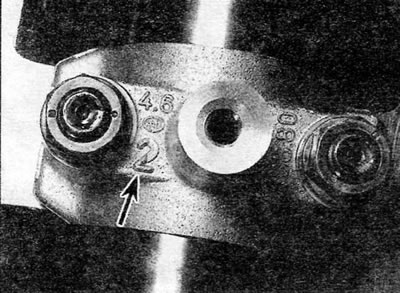
Figure 11.4. The camshaft bearing caps must be numbered (marked with an arrow) for identification purposes (1.9 L engines)
5. Loosen the camshaft bearing cap nuts evenly and gradually, loosening them one turn at a time. This allows the force from the valve springs to be gradually and evenly relieved from the bearing caps. Once the force is released, the nuts can be completely unscrewed.
Warning. If you are careless when loosening the bearing cap nuts, the caps may break. If any of the bearing caps fail, the entire cylinder head assembly will need to be replaced; bearing caps are matched to the head and are not supplied separately.
6. Mark the correct orientation of the bearing caps, and then remove them from the cylinder head.
7. Remove the camshaft from the cylinder head and remove the cuff from the end of the camshaft.
8. Prepare eight small, clean plastic containers and number them 1 through 8. Alternatively, divide the large container into eight compartments. Using a rubber suction cup, remove each plunger one by one and place them in the provided containers. Do not mix up the tappets - this may lead to accelerated wear. If necessary, also remove the adjusting shim from the top end of the valve stem and store it with the appropriate tappet.
Note: The adjusting shim may stick to the inside of the tappet when removing it. In this case, be careful that it does not fall out when removing the pusher.
2.0L engines
9. Working in the given sequence, evenly and gradually loosen the camshaft bearing housing bolts, loosening one turn at a time (figure 11.9). This allows the force from the valve springs to be gradually and evenly relieved from the bearing housing. Once the force is removed, the bolts can be completely unscrewed.
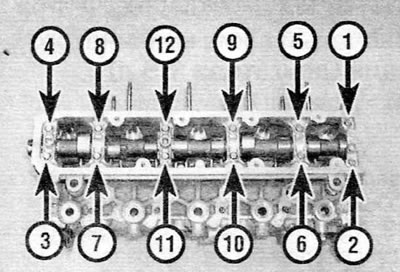
Figure 11.9. Sequence for loosening the camshaft bearing housing bolts (2.0 L engines)
Warning. If you are careless when loosening the bearing housing mounting bolts, the housing may break. If the bearing housing fails, the entire cylinder head assembly will need to be replaced; the bearing housing is matched to the head and is not supplied separately.
10. Remove the camshaft bearing housing from the cylinder head (figure 11.10). If the cover mounting pins are not secured to the head, remove them and store them in a safe place along with the housing.
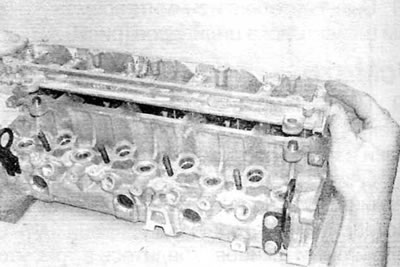
Figure 11.10. Remove the bearing housing...
11. Remove the camshaft from the cylinder head and remove the cuff from the end of the camshaft (figure 11.11).
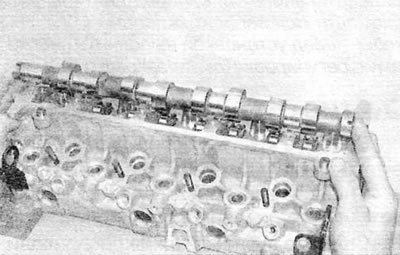
Figure 11.11. ...then remove the camshaft from its original location (shown on a removed cylinder head) (2.0 L engines)
12. Prepare eight small, clean plastic containers and number them 1 through 8. Each container should be deep enough to hold the lifters almost completely submerged in oil. Remove all valve lifters and take out all the pushrods one by one and place them in the containers provided (figure 11.12, a, b). Fill each container with clean motor oil until the plunger is submerged. Do not confuse valve levers and tappets, this may lead to accelerated wear.
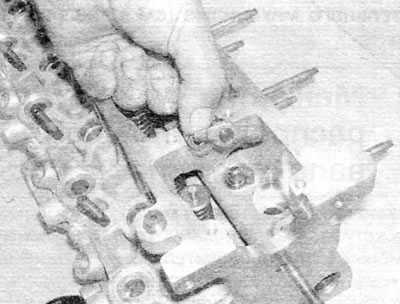
Figure 11.12, a. Remove the valve levers...
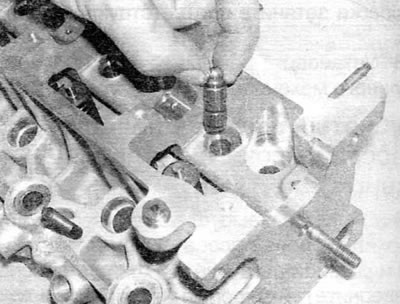
Figure 11.12, b....and remove the hydraulic tappets from the cylinder head (2.0 L engines)
Inspection
13. Inspect the working surfaces of the camshaft journals and cams for signs of wear and scoring. If any of these conditions exist, replace the camshaft. Check the condition of the bearing surfaces on the camshaft journals and in the bearing caps/cylinder head. If the bearing surfaces in the cylinder head show excessive wear, the cylinder head should be replaced.
14. Inspect the surfaces of the tappets/valve levers that contact the camshaft lobes for wear and scoring. Replace the tappet/valve lever if this condition exists. If the running surface is heavily scratched, also inspect the corresponding camshaft lobe for wear, as both elements will likely be worn. Replace worn parts if necessary.
15. On 2.0L engines, if the hydraulic lifters are found to be faulty, they should be replaced.
Installation
1.9L engines
16. If you are reinstalling the removed camshaft and the valve clearances are known to be within specification, proceed to the next step. Otherwise, adjust the valves as described in paragraph 12, based on the clearance values recorded before removing the camshaft. If a new camshaft is used, install it as described in paragraph. p. 17-23, and then adjust the valve clearances (paragraph 12).
Warning. Before turning the camshaft, make sure the crankshaft is positioned correctly and the pistons are in the middle of their upward stroke.
17. Place each adjusting shim on the top of the corresponding valve stem.
Warning. Do not mix up the adjusting shims, as this will result in incorrect valve clearance adjustment (see paragraph 12).
18. Generously lubricate the holes for the hydraulic tappets in the cylinder head and the tappets themselves. Carefully insert the tappets into the cylinder head mounting holes, ensuring that each tappet is installed in its original hole. Some care will be required to insert the pushers into the holes without skewing.
19. Lubricate the camshaft journals and cams with clean engine oil of the prescribed grade. Then install the shaft in its original place in the cylinder head.
20. Temporarily install the timing pulley onto the end of the camshaft and position it so that the mounting hole in the hub is aligned with the corresponding cutout in the cylinder head. Make sure the crankshaft is still at 90° BTDC and the pistons are at mid-stroke.
21. Install the center bearing cap properly as previously marked, then screw on the nuts and tighten them two or three turns.
22. Apply sealant to the outer bearing caps in the locations shown (figure 11.22). Place them in the correct position and tighten the nuts two or three turns.
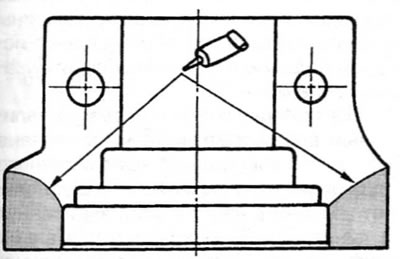
Figure 11.22. Apply sealant to the areas shown on the outer camshaft bearing caps (1.9 L engines)
23. Tighten all nuts evenly and gradually to the specified torque, ensuring that the camshaft remains in the correct position.
Warning. If care is not taken when tightening the bearing cap nuts, the caps may break. If any of the bearing caps fail, the entire cylinder head assembly will need to be replaced; bearing caps are matched to the head and are not supplied separately.
24. Apply clean engine oil to the sealing lips of the new oil seal and install the oil seal onto the end of the camshaft, ensuring that the sealing lip faces inward. Press the seal down until it is flush with the end face of the camshaft bearing cap.
25. Install the camshaft timing pulley as described in paragraph 9.
Information posted on the website (PeugeotBook.ru)
26. Install the brake system vacuum pump as described in chapter 9.
27. Install the cylinder head cover as described in paragraph 4.
2.0L engines
28. Generously lubricate the holes for the hydraulic tappets in the cylinder head and the valve levers. Secure the valve lifters to the tappets properly and carefully insert the tappets into the cylinder head mounting holes, ensuring that each tappet is seated in its original bore.
29. Lubricate the camshaft journals, cam lobes and valve levers with clean engine oil of the specified grade.
30. Make sure that the crankshaft is still positioned at 90° before TDC and the pistons are positioned at the middle of their upward stroke.
31. Clean and dry the mating surfaces of the camshaft bearing housing and cylinder head. Apply the sealant in a narrow bead (peugeot/Citroen recommends using Autojoint NOIR) onto the mating surface of the housing as shown (figure 11.31).
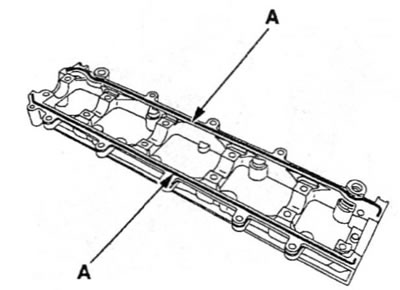
Figure 11.31. Apply sealant in a narrow bead (A) to the mating surface of the camshaft bearing housing as shown (2.0 L engines)
32. Properly install the camshaft into the bearing housing, and then, making sure that the dowel pins are in the correct locations, install the camshaft assembly with the bearing housing onto the cylinder head.
33. Install the bearing housing mounting bolts and tighten all bolts by hand. Working in the given sequence, tighten the bolts evenly and gradually to pull the housing into its proper place in the cylinder head (figure 11.33). Once the housing is in contact with the head, working in the prescribed sequence, tighten the bolts to the specified torque.
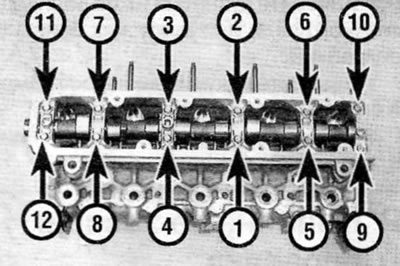
Figure 11.33. Sequence of tightening the camshaft bearing cap bolts (2.0 L engines)
Warning. If you are not careful when tightening the bearing housing mounting bolts, the housing may break. If the bearing housing fails, the entire cylinder head assembly will need to be replaced; the bearing housing is matched to the head and is not supplied separately.
34. Apply clean engine oil to the sealing lips of the new oil seal and install the oil seal onto the end of the camshaft, ensuring that the sealing lip faces inward. Press the seal down until it is flush with the end face of the camshaft bearing cap.
35. Install the camshaft timing pulley and hub as described in paragraph 9.
36. Install the brake system vacuum pump as described in chapter 9.
37. Install the cylinder head cover as described in paragraph 4.