



Caution! The voltage generated in an electronic ignition system is significantly higher than the voltage produced in conventional ignition systems. Use extreme caution when working on the system with the ignition on. People with pacemakers should keep away from ignition system circuits and components and test equipment.
1. If a malfunction occurs in the engine management system, first make sure that all electrical connectors in the system are securely connected and that there is no corrosion in them. Make sure that the malfunction is not a result of poor maintenance. It is necessary to check the cleanliness of the air cleaner filter element, the condition of the spark plugs and the interelectrode gaps in them. Also check the engine ventilation hoses for dirt or damage. If the engine runs very rough, check the compression in the cylinders. For more information, please refer to the chapter 1A or 2A.
2. If these checks do not reveal the cause of the problem, take the vehicle to a Peugeot/Citroen dealer or an engine management system diagnostic specialist with the appropriate equipment. There is a corresponding electrical connector in the engine control circuit to which a trouble code reader or other suitable testing equipment can be connected. The diagnostic connector is located next to the passenger compartment fuse box (figure 2.2). Using diagnostic equipment, you can "query" the engine management system's electronic control unit (and electronic control units of other vehicle systems). This equipment allows you to quickly and easily find a fault, eliminating the need to individually check all system elements. Searching separately is a lengthy operation, accompanied by the risk of damaging the electronic control unit.
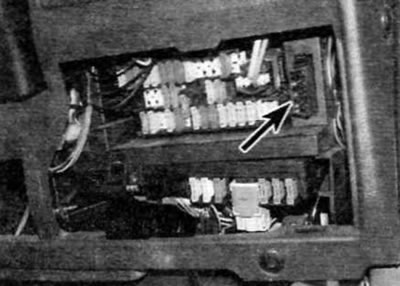
Figure 2.2. Diagnostic connector (marked with an arrow) located next to the passenger compartment fuse box
Source can be seen at PeugeotBook
3. The only ignition system tests that you can perform yourself are those described in chapter 1A in relation to spark plugs.