



The main fuses are located in the fuse box under the instrument panel on the driver's side. Additional fuses (more power) are located in the fuse and relay box in the engine compartment on the left side.
To replace the fuses located under the instrument panel, follow these steps:
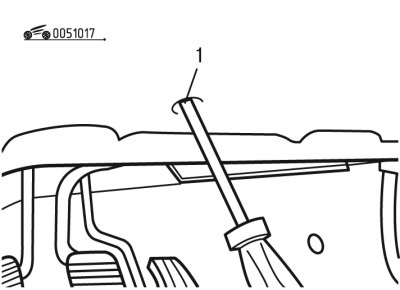
Figure 10.17. Fuse cover latch under the instrument panel: 1 - retainer
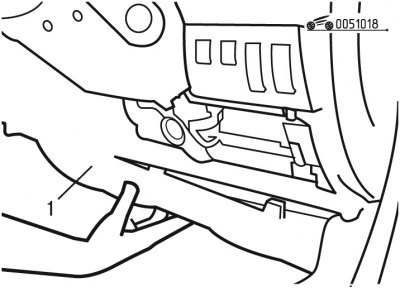
Figure 10.18. Removing the fuse cover: 1 - lid
- turn the lock 1 (figure 10.17) cover under the instrument panel by 90° and remove cover 1 (figure 10.18).
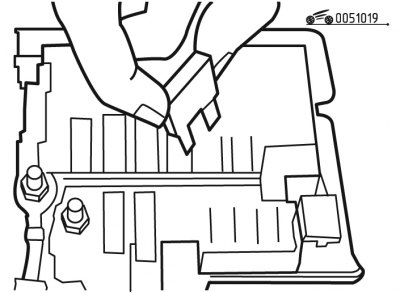
Figure 10.19. Fuse and relay box in the underhood space
To replace the fuses and relays located in the box in the engine compartment, remove the cover from the fuse and relay box in the engine compartment (figure 10.19).
Note: The circuits protected by each fuse are indicated on the box cover.
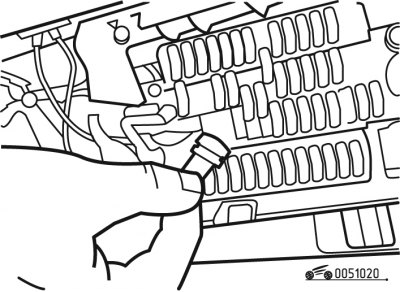
Figure 10.20. Removing the fuse
Article republished from the website: PEUGEOTBOOK
Before removing a fuse, first turn off the corresponding circuit. Then remove the fuse (figure 10.20) and inspect the wire connecting the fuse contacts. In a blown fuse, this wire is soldered and does not connect the fuse contacts.
Use a fuse that is appropriate for the current rating of the circuit. Do not replace a fuse with a higher current rating or repair a fuse with wire or metal foil, as this may cause serious damage or fire. The current rating of a fuse is stamped on the top of the fuse. Fuses are also color-coded (table 10.1).
Table 10.1
| Color | Current strength, A |
| Orange | 5 |
| Red | 10 |
| Blue | 15 |
| Yellow | 20 |
| Colorless (white) | 25 |
| Green | 30 |
Do not attempt to replace a fuse more than once until the fault in the circuit has been corrected. If the new fuse fails, you must determine the cause. Typically, it is a short circuit. If the fuse protects several circuits at once, each circuit must be tested separately.
Spare fuses can be stored in a special compartment in the fuse and relay box.